
Test EQ

Standard
  • HAST Test Chamber: Complete Guide to Highly Accelerated Stress Testing
    HAST Test Chamber: Complete Guide to Highly Accelerated Stress Testing
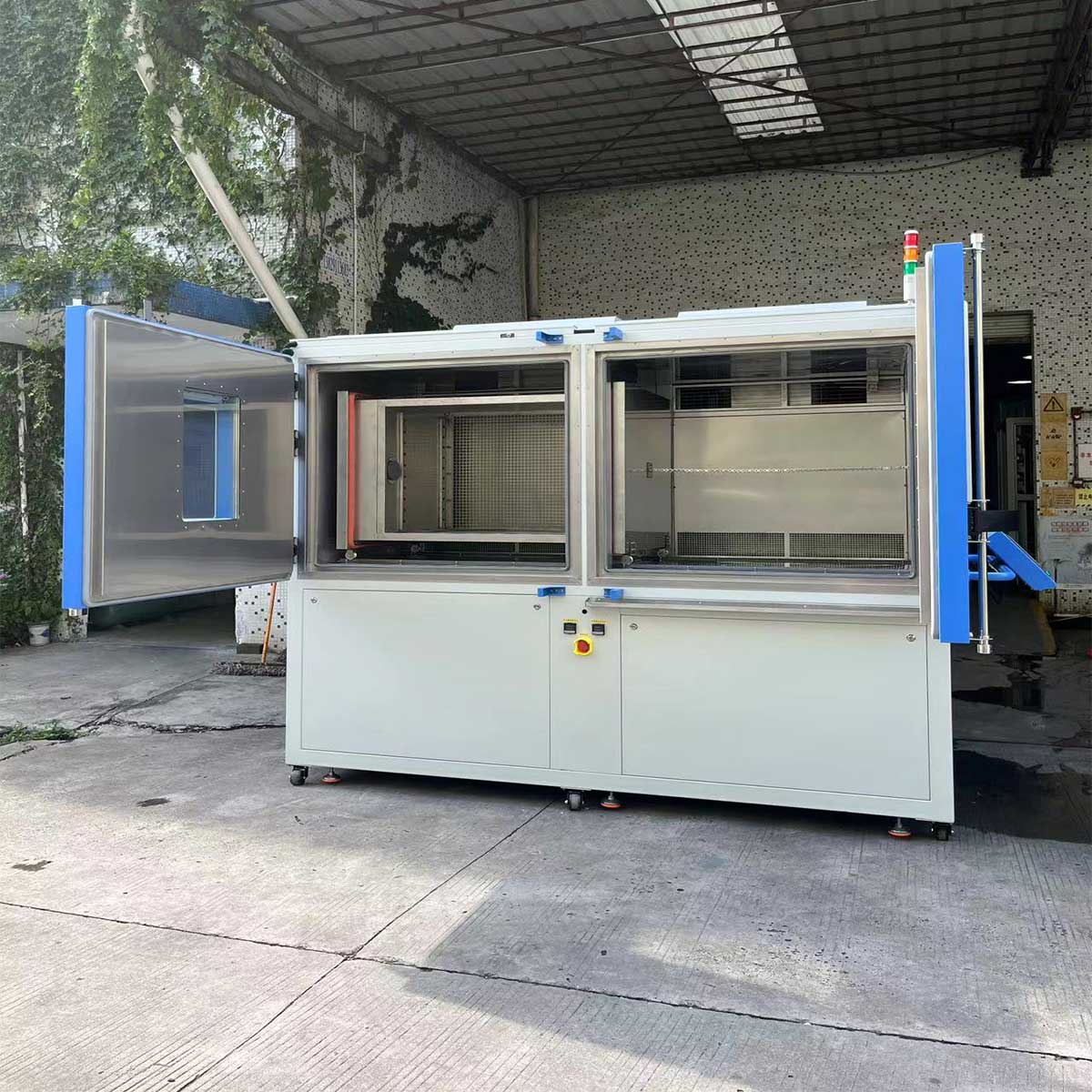
    HAST (Highly Accelerated Stress Test) is an advanced reliability testing method used to evaluate the moisture resistance and long-term durability of semiconductor devices, electronic components, and automotive electronics under accelerated temperature, humidity, and pressure conditions.This guide explains how HAST test chambers work, key testing parameters, JESD22-A110 requirements, common failure mechanisms, and how to select the right HAST testing solution. TestEQ provides high-performance HAST test chambers designed for semiconductor, EV electronics, and reliability validation applications, helping manufacturers improve product quality and accelerate reliability testing.
    03

    2026-04

  • What Is Thermal Vacuum Testing? Principles and Test Procedure
    What Is Thermal Vacuum Testing? Principles and Test Procedure
    Thermal vacuum testing is an environmental qualification method used to evaluate how a product behaves when exposed to controlled vacuum and temperature conditions similar to those encountered in space.The test is particularly important for satellites, spacecraft components, aerospace electronics, optical instruments, sensors, materials, and other mission-critical hardware.Unlike conventional temperature testing, thermal vacuum testing significantly reduces convection around the test article. Heat transfer is therefore dominated by radiation and conduction, creating a thermal environment that can reveal failure mechanisms not observed during normal atmospheric testing.
    30

    2026-03

  • What Is a HALT-HASS Test Chamber? Equipment, Features and Selection Guide
    What Is a HALT-HASS Test Chamber? Equipment, Features and Selection Guide
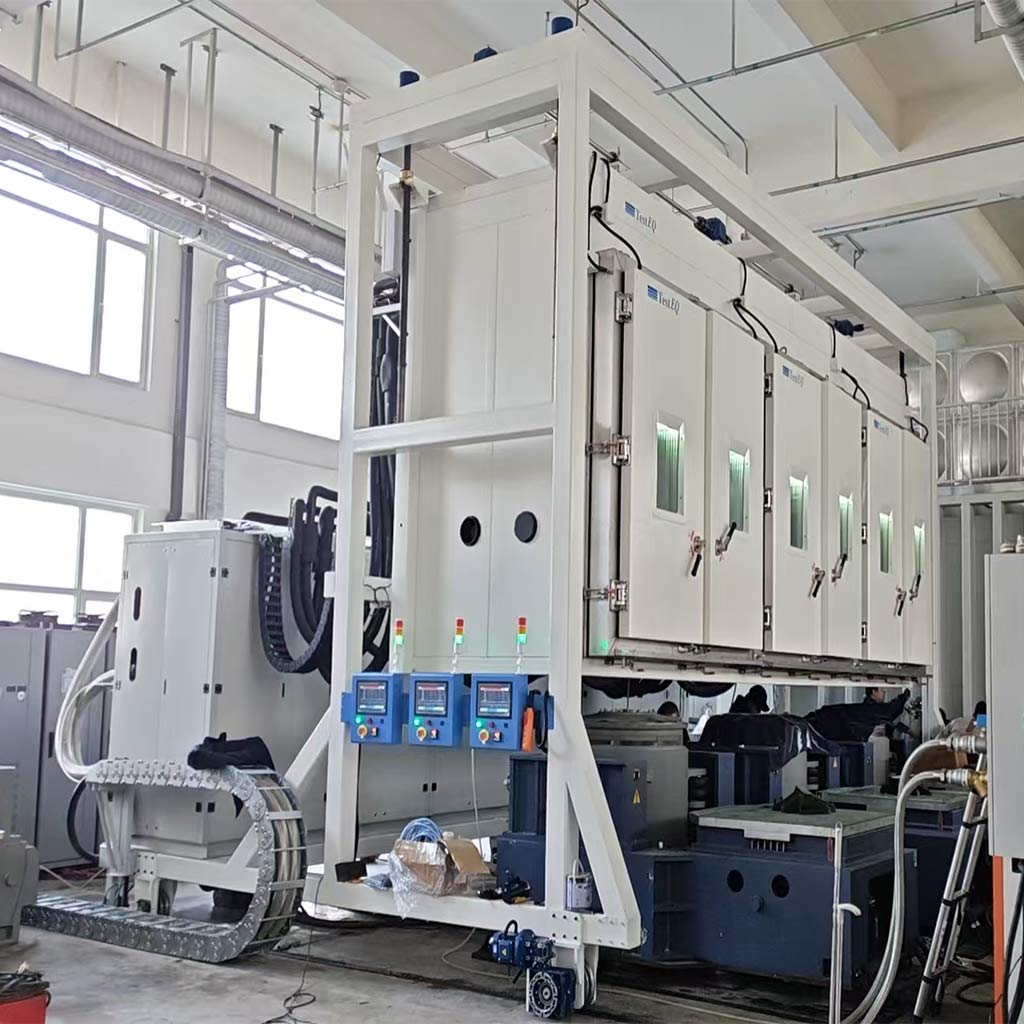
    A HALT-HASS test chamber is a specialized reliability testing system designed to expose product weaknesses and latent manufacturing defects by combining controlled environmental and mechanical stresses.Unlike a conventional environmental chamber that primarily controls temperature and humidity, a HALT-HASS system can integrate rapid temperature changes, vibration, monitoring, fixtures, and data acquisition into a single test platform.The equipment is commonly used by reliability engineers, product development teams, quality engineers, and manufacturers working with electronics, automotive components, aerospace systems, industrial equipment, and other reliability-critical products.
    27

    2026-03

  • ESS testing
    ESS Testing: Environmental Stress Screening Process and Test Methods
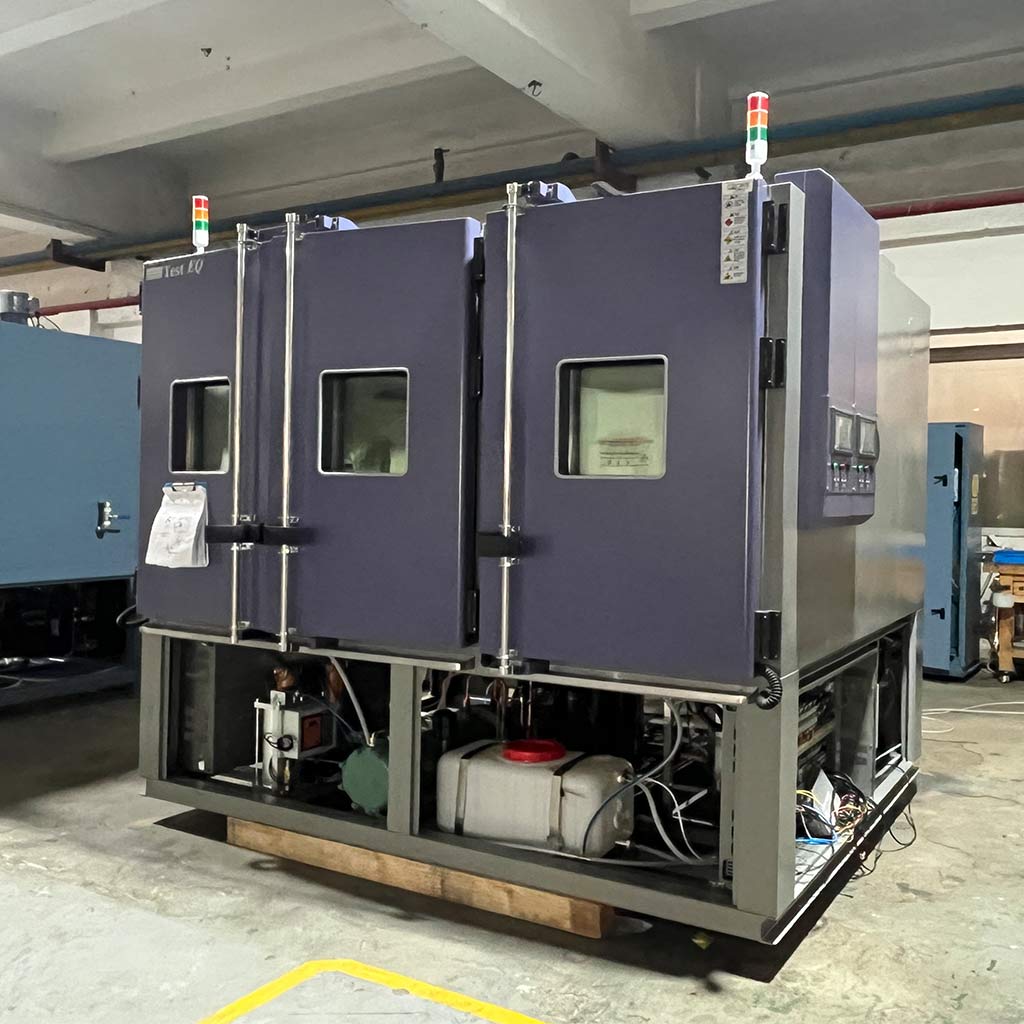
    ESS testing, or Environmental Stress Screening, is a reliability screening method used to identify latent manufacturing defects and early-life failures before products are released to customers or deployed in the field.Unlike conventional product inspection, ESS testing applies controlled environmental stresses to reveal weaknesses that may not be detected during normal functional testing. Common stresses include temperature cycling, rapid temperature changes, vibration, humidity, and combined environmental conditions.ESS testing is widely used for electronic assemblies, semiconductor devices, automotive electronics, aerospace systems, defense equipment, telecommunications products, and other high-reliability applications.For manufacturers, the objective is not simply to expose products to extreme conditions. A properly designed ESS program applies controlled stress levels that can reveal early-life failures without unnecessarily damaging acceptable products.
    23

    2026-03

  • temperature cycling vs thermal shock testing
    Thermal Shock vs Temperature Cycling Testing: Complete Engineering Comparison Guide
    Thermal shock testing and temperature cycling testing are two critical environmental reliability tests used to evaluate electronic components, semiconductor devices, automotive systems, and aerospace products under extreme temperature conditions. Although both methods expose products to repeated temperature changes, they create different thermal stresses and identify different failure mechanisms.This guide explains the key differences between thermal shock and temperature cycling testing, including test principles, failure modes, industry applications, and related standards such as JESD22-A104, JESD22-A106, and IEC 60068-2-14. Engineers can use this comparison to select the right reliability test method and choose the appropriate thermal testing chamber for their validation requirements.
    20

    2026-03

  • temperature humidity chamber
    Comprehensive Guide to Temperature Humidity Chambers for Engineers and Laboratories
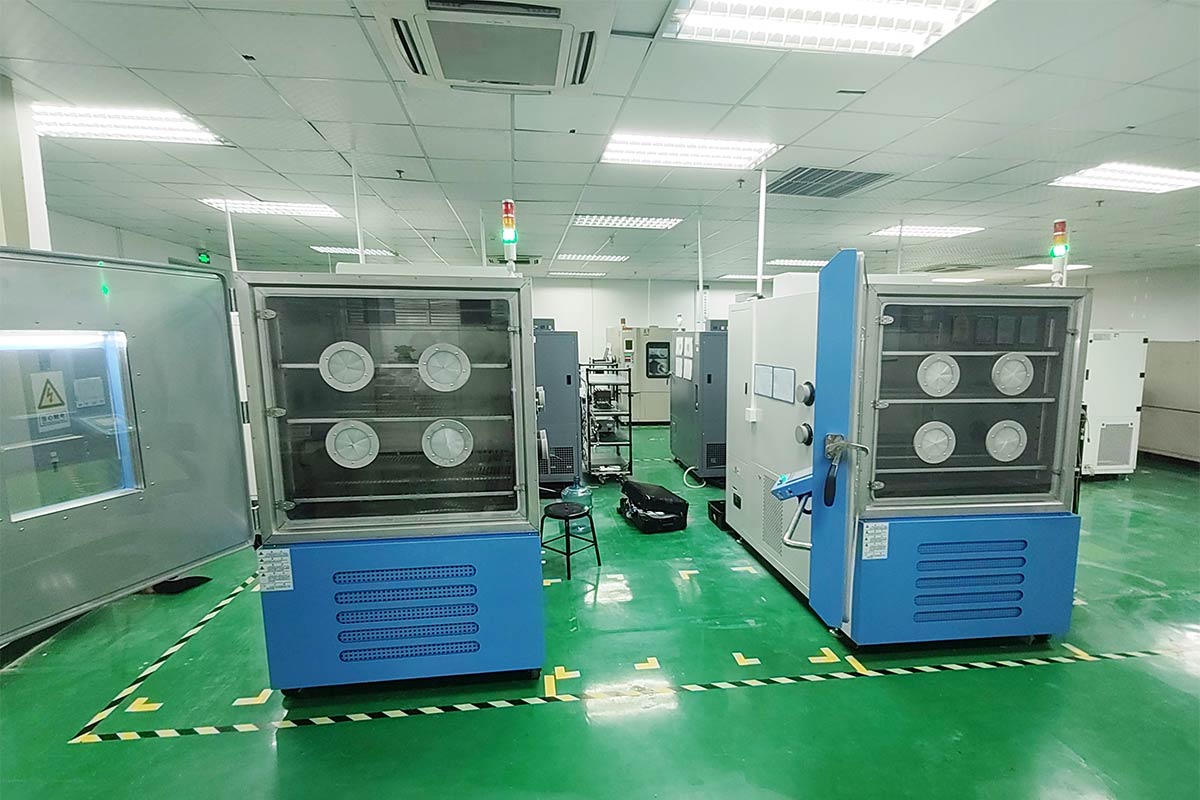
    A temperature humidity chamber is an environmental test system used to reproduce controlled combinations of temperature and relative humidity for product reliability, durability, aging, and qualification testing.Unlike ordinary heating or cooling equipment, a temperature humidity test chamber must maintain a controlled and repeatable test environment while managing temperature, humidity, airflow, condensation, and heat transfer.For engineers and procurement teams, selecting the right chamber requires more than comparing temperature ranges. The test standard, DUT size, thermal load, humidity requirements, chamber volume, recovery performance, control system, data logging, and long-term operating conditions should all be evaluated before purchasing.TestEQ designs temperature humidity test chambers for electronics, semiconductor, automotive, EV battery, aerospace, industrial, and research applications, including standard laboratory chambers and customized walk-in environmental test systems.
    16

    2026-03

  • thermal stress in electronic components
    Thermal Stress in Electronic Components: Causes, Failure Modes and Testing Methods
    Electronic devices are exposed to temperature changes throughout their lifecycle. From manufacturing and transportation to real-world operation, electronic components must withstand thermal stress caused by temperature fluctuations.Thermal stress can significantly impact the reliability and lifespan of electronic systems. Engineers, laboratory technicians, and procurement managers rely on environmental testing equipment to simulate these conditions and identify potential failures before products reach the market.TestEQ environmental testing equipment helps manufacturers evaluate how electronic components respond to extreme temperature conditions through controlled laboratory testing.Understanding how thermal stress affects electronic components is essential for improving product durability, reducing failure rates, and meeting industry testing standards.
    13

    2026-03

  • thermal shock chamber manufacturer
    Thermal Shock Testing: Methods, Standards, Procedures and Reliability Testing Guide
    Thermal shock testing is an environmental reliability test used to evaluate how products, materials, electronic components, and assemblies withstand rapid transitions between extreme temperatures.Unlike conventional temperature cycling, thermal shock testing exposes a test specimen to a sudden temperature change, creating high thermal stress within a short period. This makes thermal shock testing particularly useful for identifying cracks, solder joint failures, delamination, seal failures, material damage, and other latent defects.Thermal shock testing is widely used in semiconductor packaging, automotive electronics, EV components, aerospace systems, defense equipment, PCB assemblies, and other high-reliability applications.This guide explains the thermal shock testing principle, test methods, procedure, failure mechanisms, applicable standards, and how to select a thermal shock test chamber.
    10

    2026-03

  • Environmental Test Chamber
    How to Choose an Environmental Test Chamber: Engineering & Buying Guide
    Choosing the right environmental test chamber requires more than comparing temperature ranges and chamber sizes. The correct system must match the test standard, environmental conditions, product dimensions, thermal load, temperature change rate, humidity requirements, safety conditions, and expected testing volume.For engineers, reliability laboratories, quality teams, and procurement departments, the most important question is not simply which environmental chamber is available, but:Which environmental test chamber can reproduce the required test conditions accurately, repeatedly, and efficiently?This guide explains how to select an environmental test chamber step by step and how to determine whether a temperature humidity chamber, thermal cycling chamber, thermal shock chamber, ESS chamber, walk-in chamber, altitude chamber, or thermal vacuum chamber is appropriate for your application.
    06

    2026-03

  • Fogging Test Chamber for Automotive Interior Material Testing (ISO 6452 Standard)
    Fogging Test Chamber for Automotive Interior Material Testing (ISO 6452 Standard)
    Automotive Interior Fogging Testing: Why Compliance Matters for Global Vehicle ManufacturersAs automotive manufacturers continue to improve cabin air quality, passenger comfort, and material reliability, fogging testing has become an essential qualification process for interior components.Materials such as dashboards, door panels, adhesives, coatings, plastics, leather, rubber, and textile components can release volatile organic compounds (VOCs) under elevated temperatures. These emissions may condense on glass surfaces, causing windshield haze, reduced visibility, unpleasant odors, and potential compliance issues.To address these challenges, automotive OEMs and Tier 1 suppliers rely on internationally recognized standards including DIN 75201, ISO 6452, and SAE J1756. TestEQ's Automotive Fogging Test Chamber is engineered to help laboratories achieve accurate, repeatable, and standards-compliant testing results.
    23

    2026-01

  • UAV Vibration Test Chamber for Drone Reliability Testing
    UAV Vibration Test Chamber for Drone Reliability Testing
    UAVs and drones are exposed to vibration from motors, propellers, aerodynamic loads, landing events, transportation, and onboard equipment during operation. These vibration environments can affect structural integrity, flight-control stability, avionics, cameras, batteries, and other critical components.A UAV vibration test chamber combines controlled vibration excitation with environmental conditions such as temperature and humidity to reproduce operating conditions in a laboratory. For advanced UAV qualification, combined temperature, humidity, and multi-axis vibration testing can provide a more realistic reliability evaluation than vibration testing alone.TestEQ designs customized environmental simulation systems for UAV, aerospace, defense, electronics, and reliability testing applications.
    14

    2026-01

  • Rapid Rate Thermal Cycling Chamber
    Rapid Rate Thermal Cycling Chamber: Engineering Guide to Ramp Rate, Testing and Chamber Selection
    Rapid Rate Thermal Cycling Chamber: What Engineers Need to KnowA Rapid Rate Thermal Cycling Chamber is an environmental test system designed to repeatedly change temperature at a controlled and relatively high ramp rate. Compared with conventional temperature cycling chambers, rapid-rate systems are designed to shorten transition times and increase thermal stress or testing throughput.Depending on the chamber design and test requirements, temperature change rates may range from approximately 5°C/min to 30°C/min.Rapid thermal cycling is commonly used for electronics, semiconductor packages, automotive electronics, EV components, aerospace equipment, PCB assemblies, connectors, sensors, and other products where repeated temperature transitions can reveal mechanical and material reliability problems.The most important specification is not simply the maximum ramp rate. Engineers should evaluate the actual loaded ramp rate, temperature range, DUT thermal mass, uniformity, overshoot, recovery time, and applicable test standard
    29

    2025-12

Ask For A Quick Quote

We will contact you within 1 working day, please pay attention to the email with
the suffix "@test-eq.com".

We will contact you within 1 working day, please pay attention to the email with the suffix "@test-eq.com".

Company
Name*
Phone
E-Mail*
Nation
Message
By selecting the ‘I agree’ button, you consent to the processing of your personal data for marketing purposes and for the sending of commercial information by TESTEQ Company through telephone, e-mail, newsletters, text messages such as sms, chat and social networks.
I AGREE
By submitting your personal data, you declare that you have read the Privacy Policy of the website.

P.IVA: 91441900MAECQJHY37 Guangdong Test EQ Equipment Co., Ltd. | All Rights Reserved