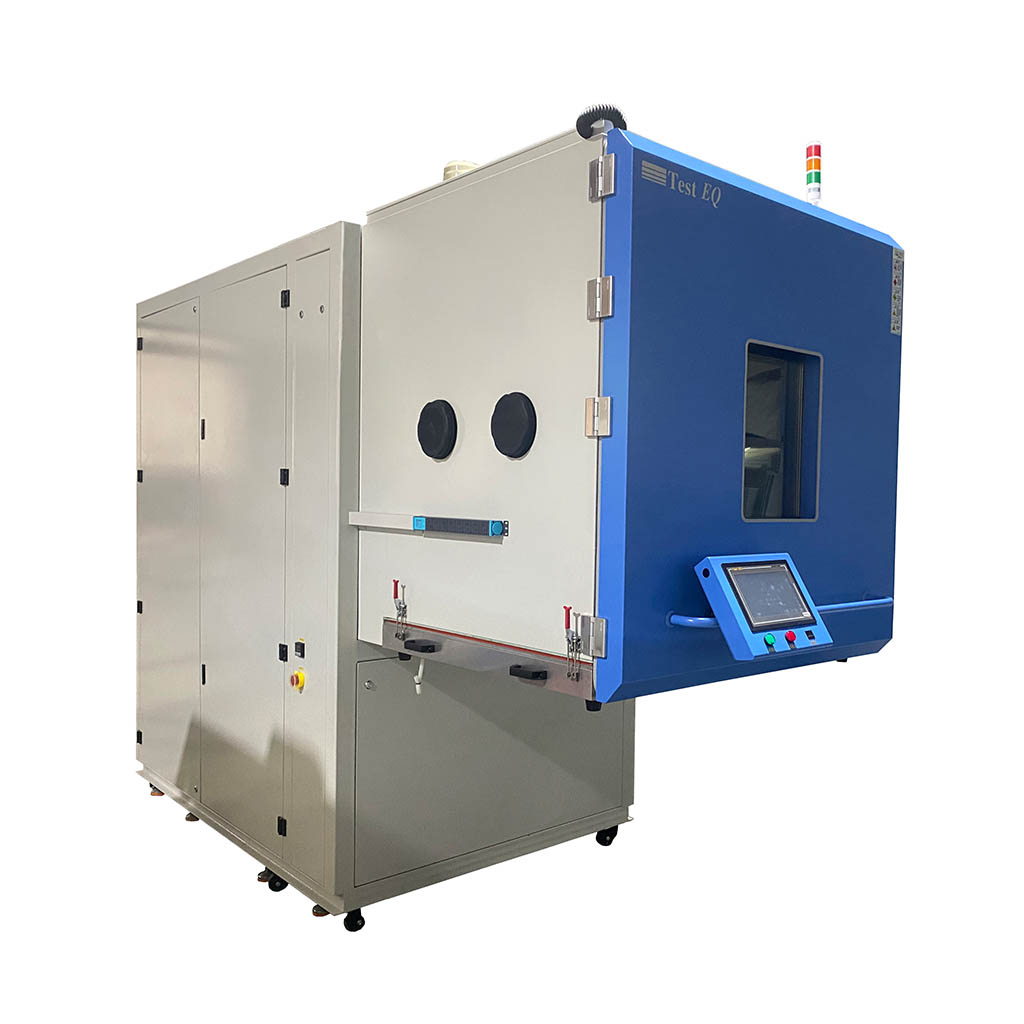
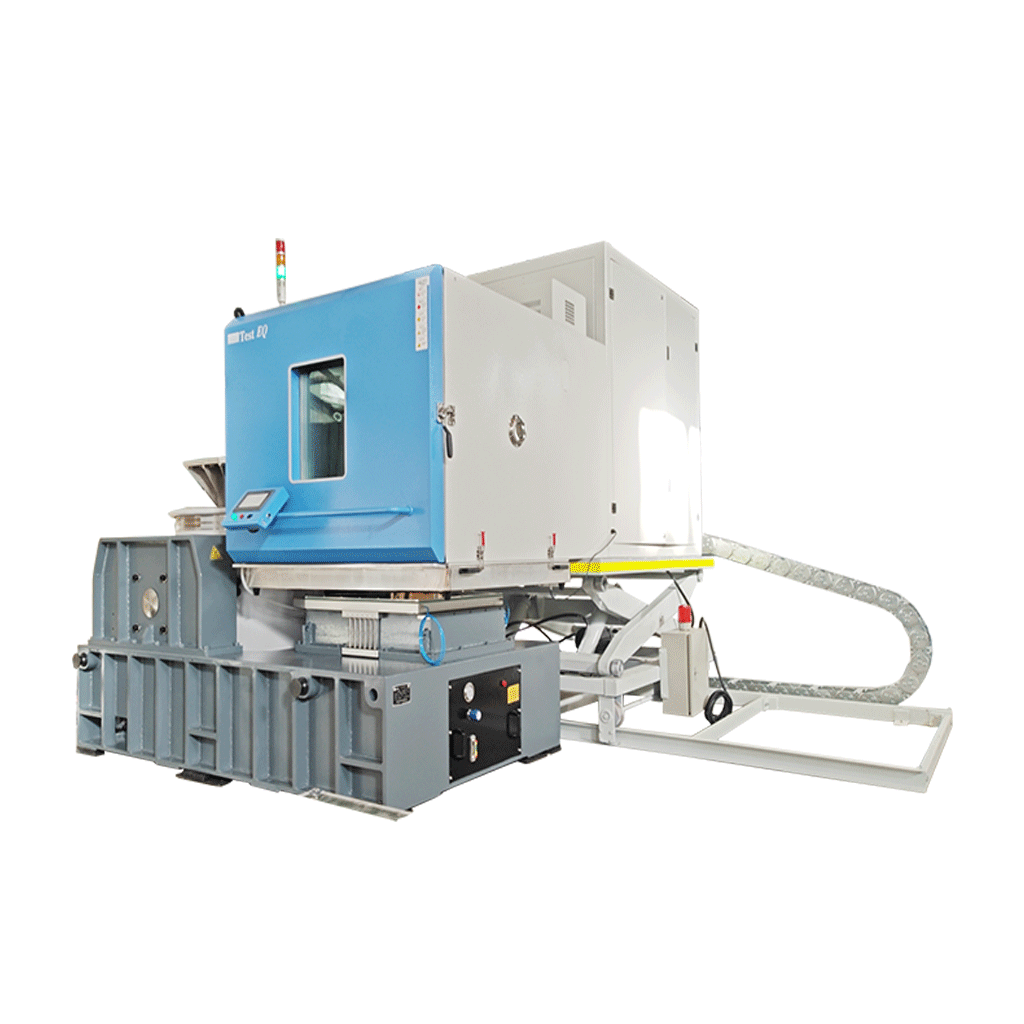
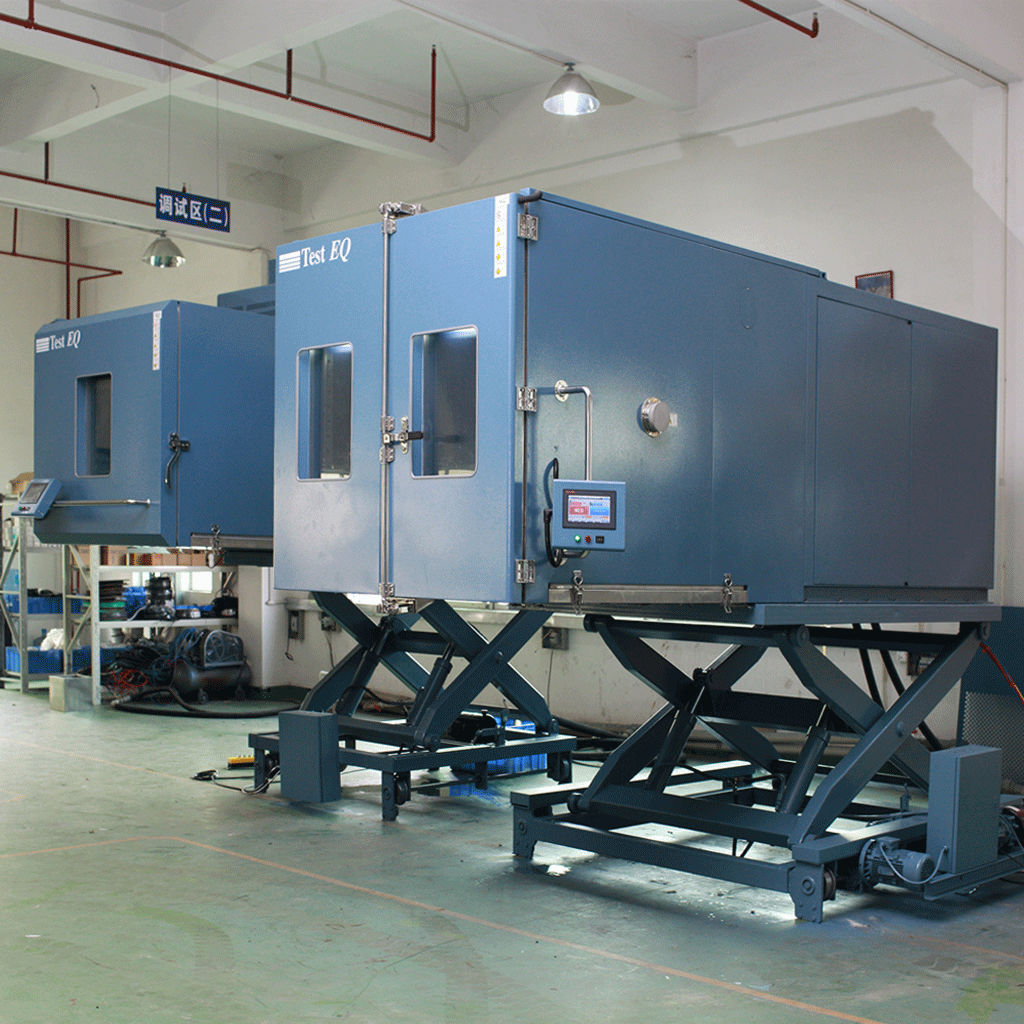
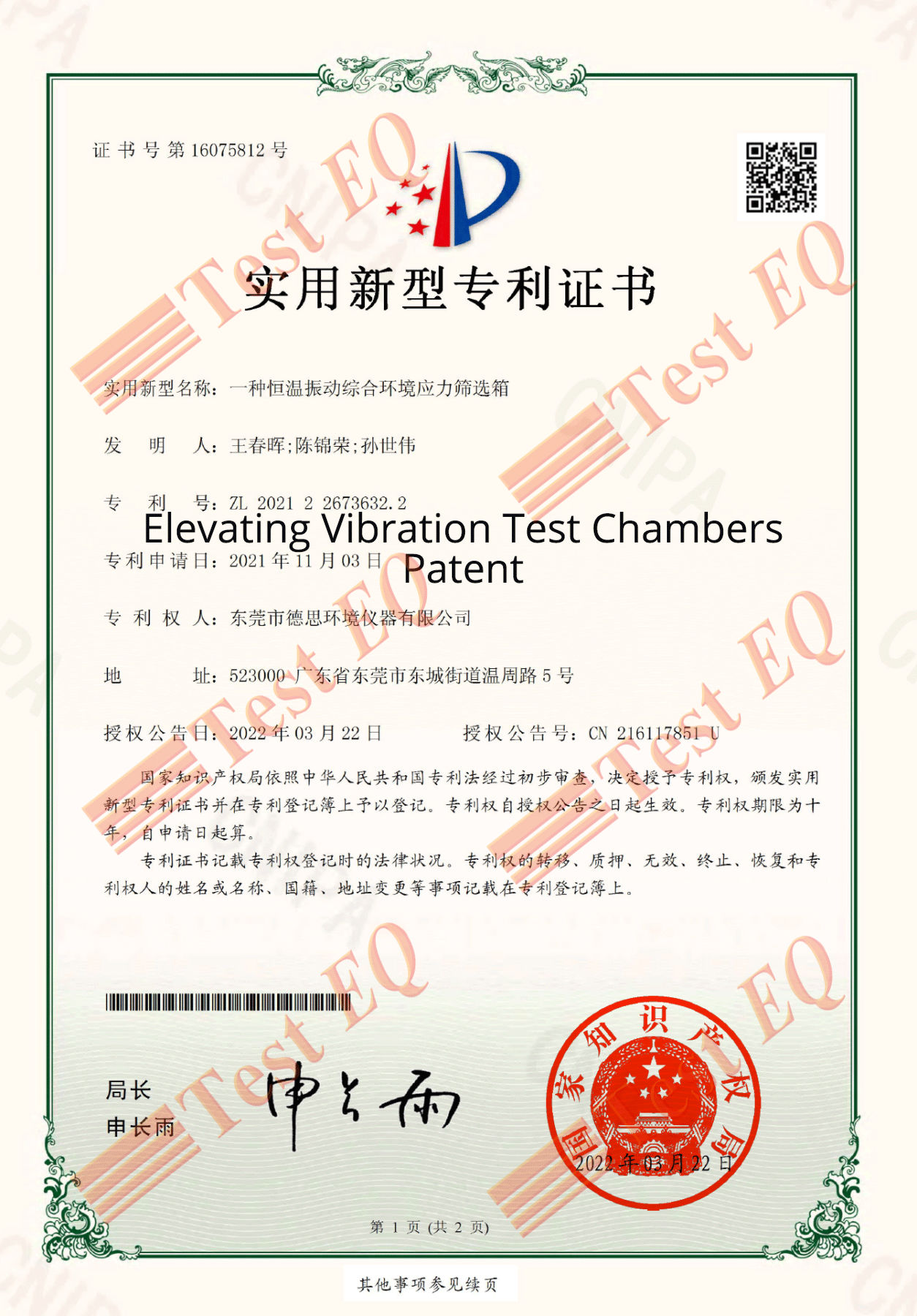
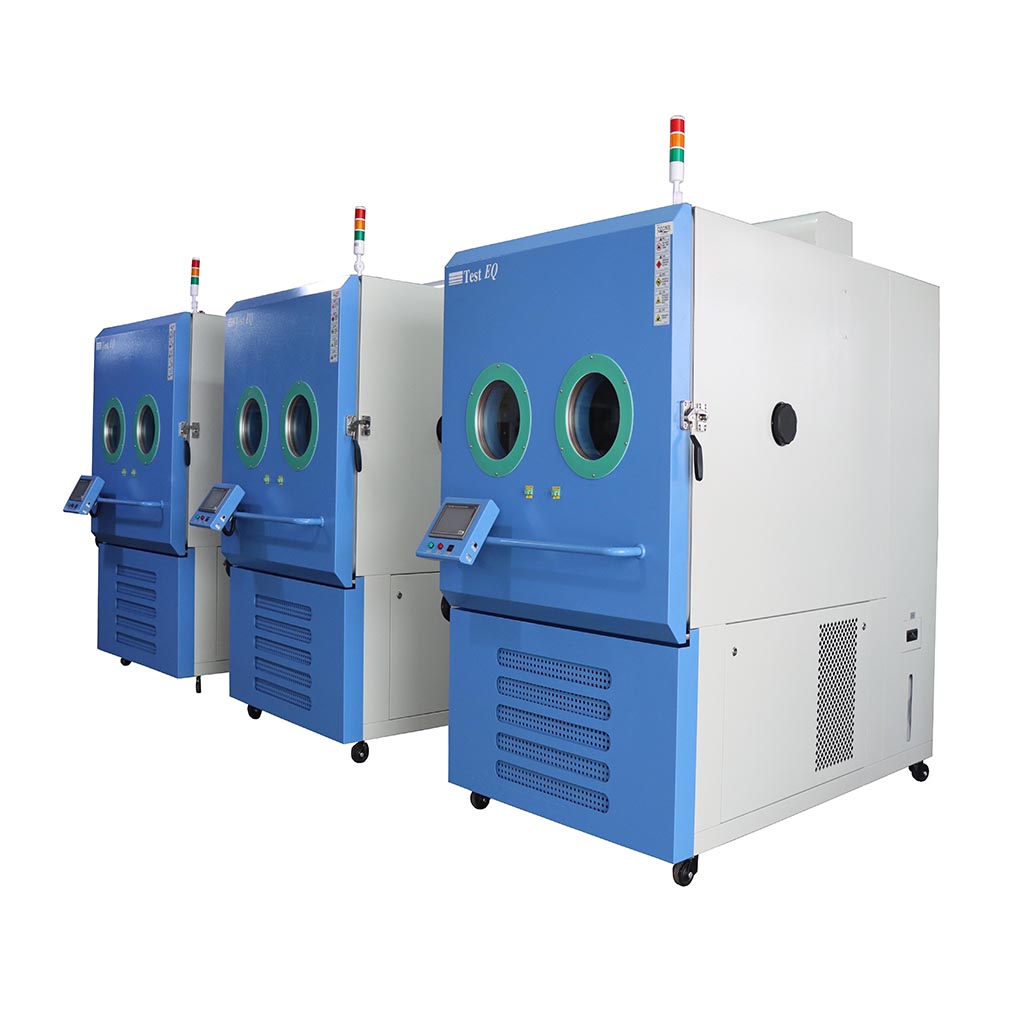
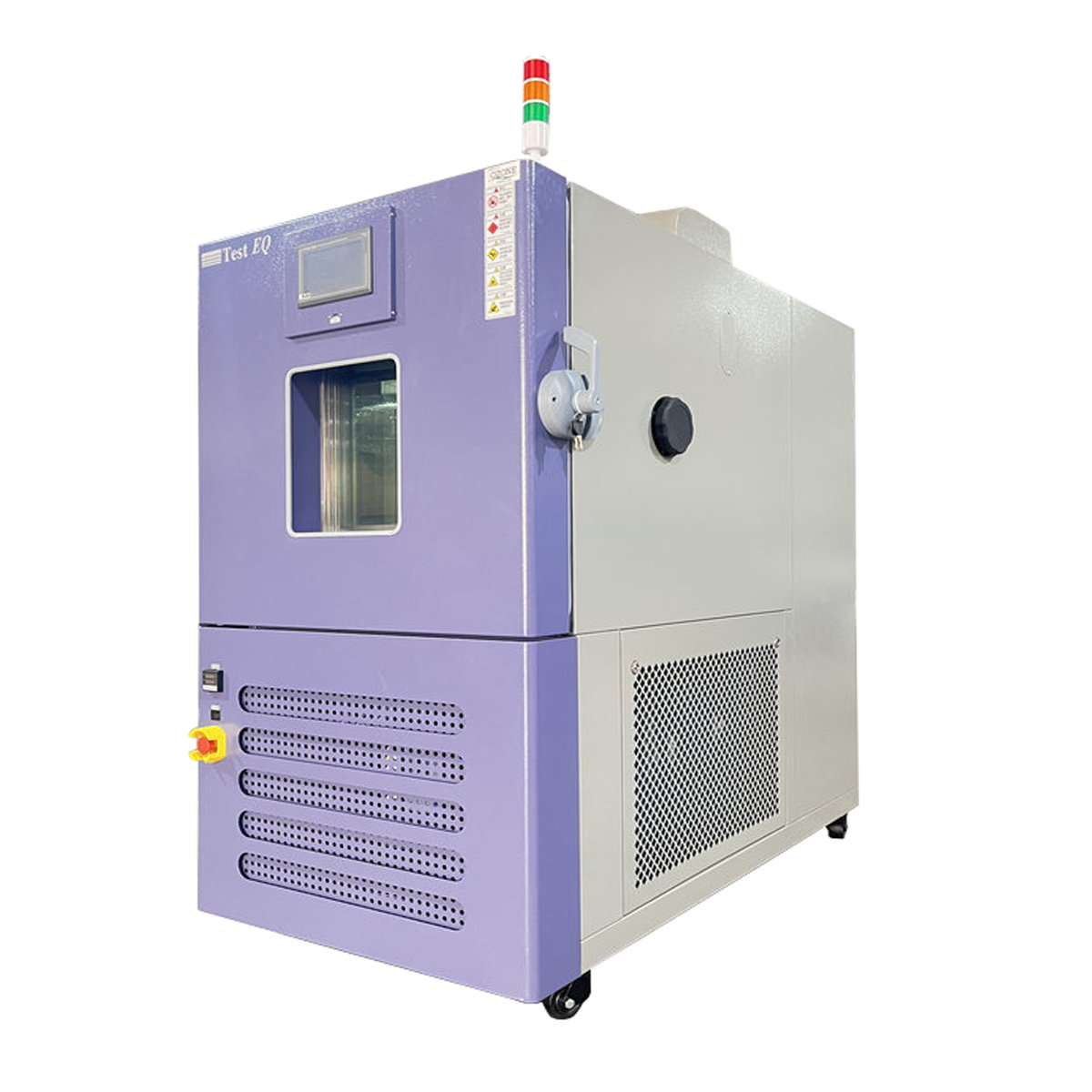
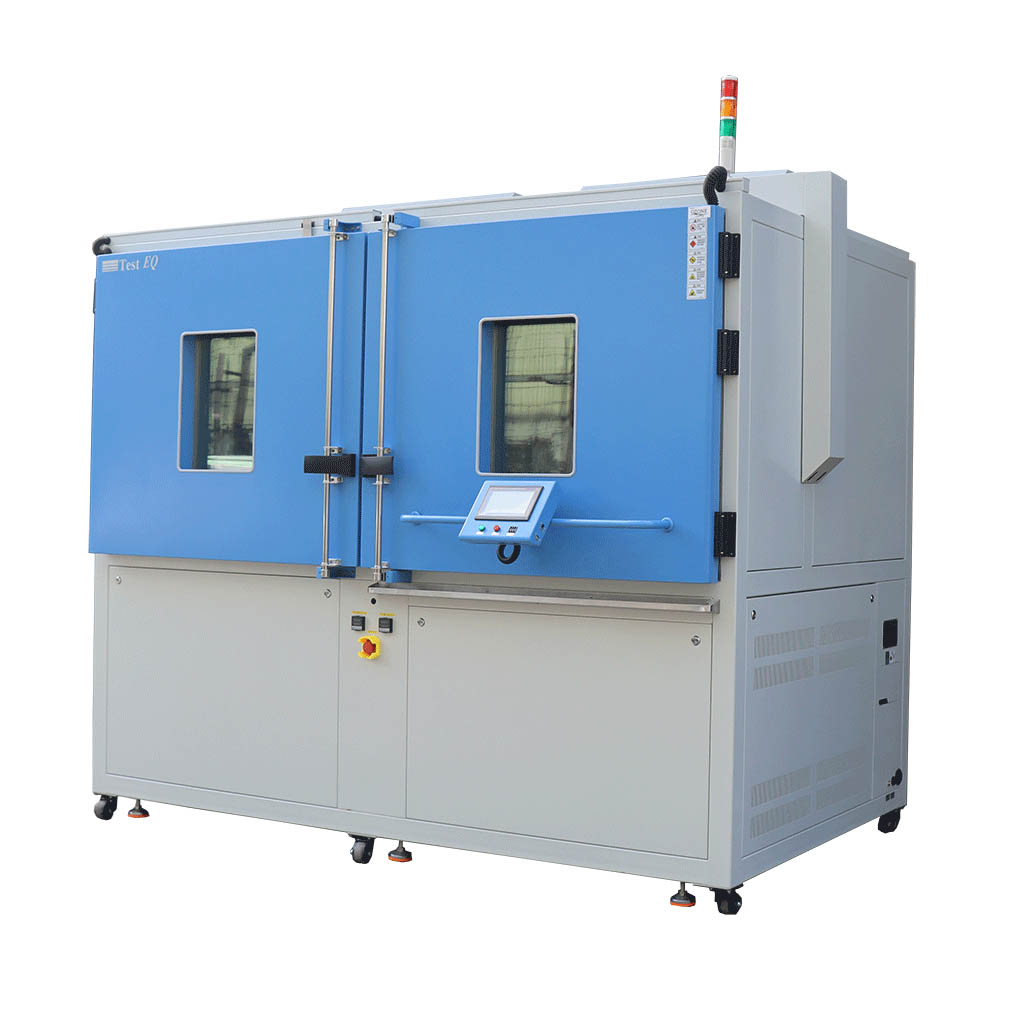
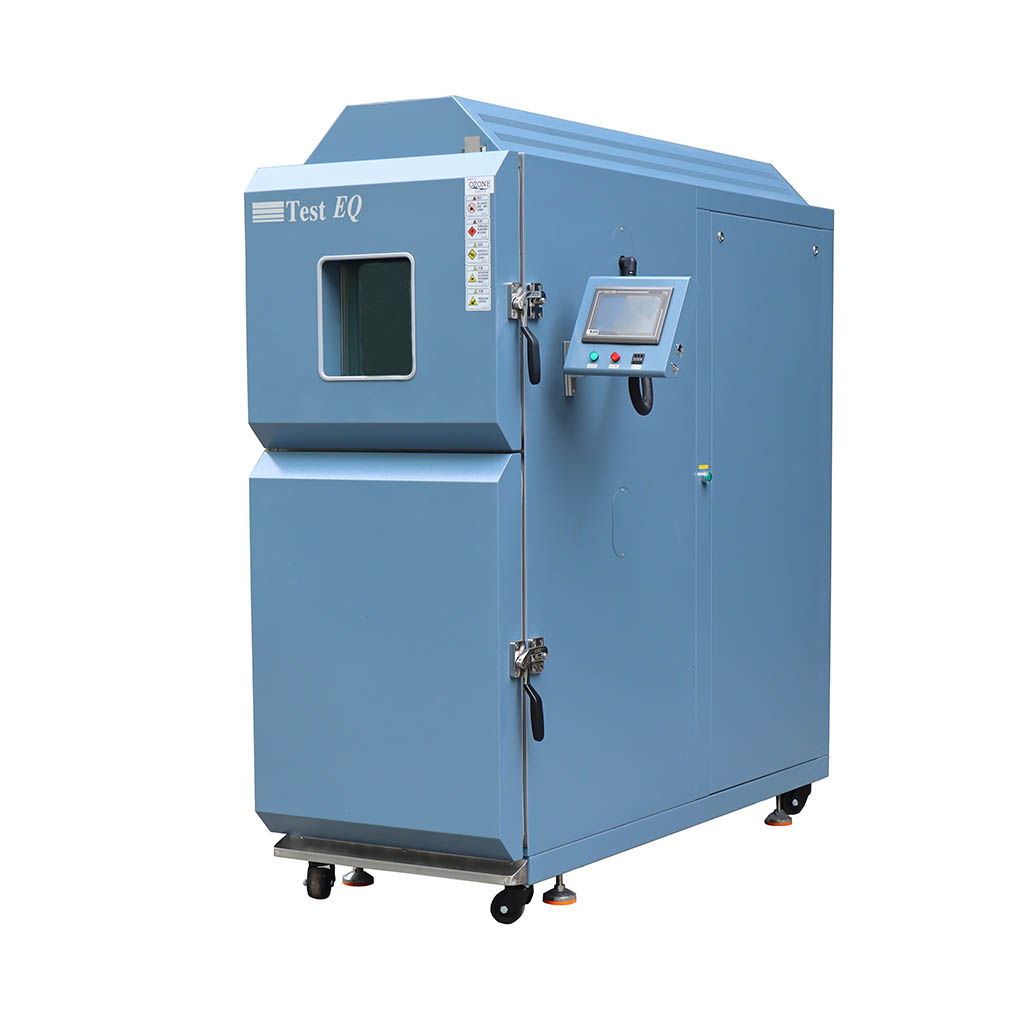
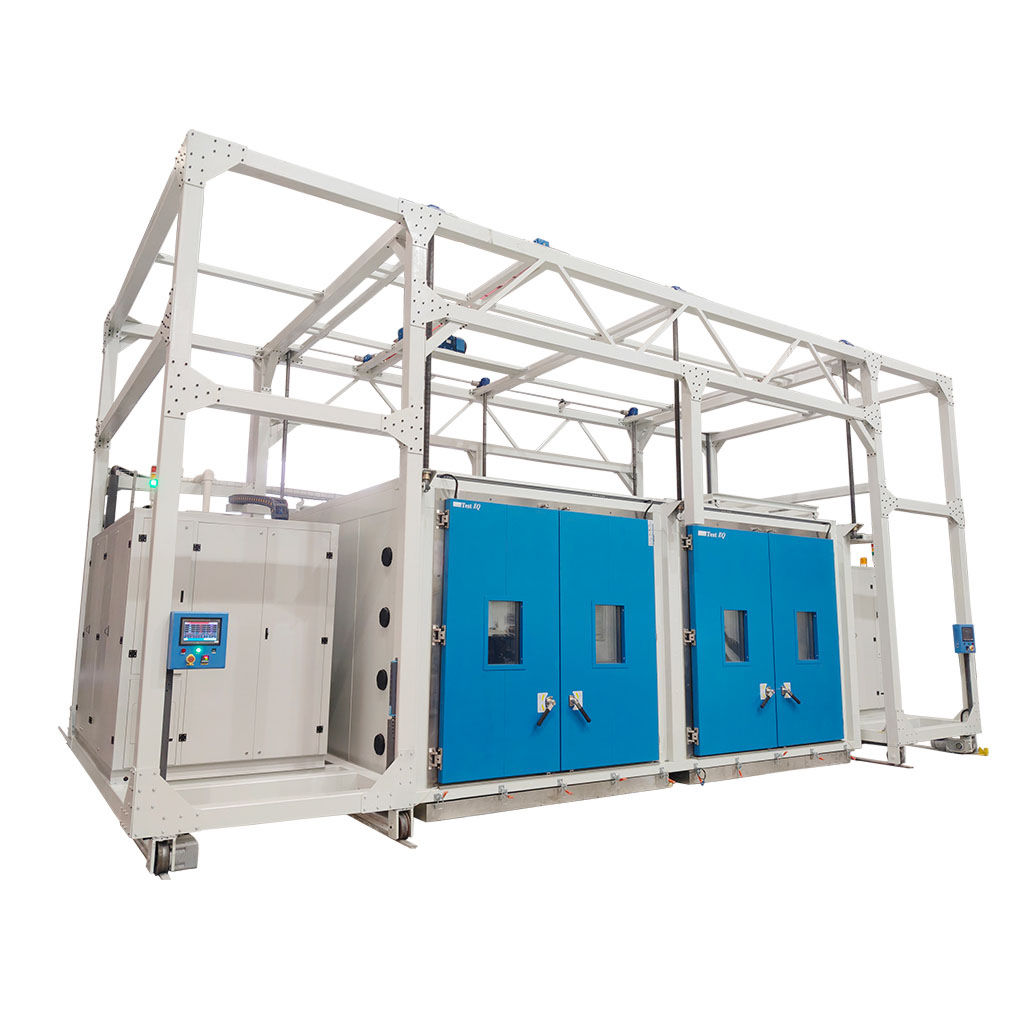
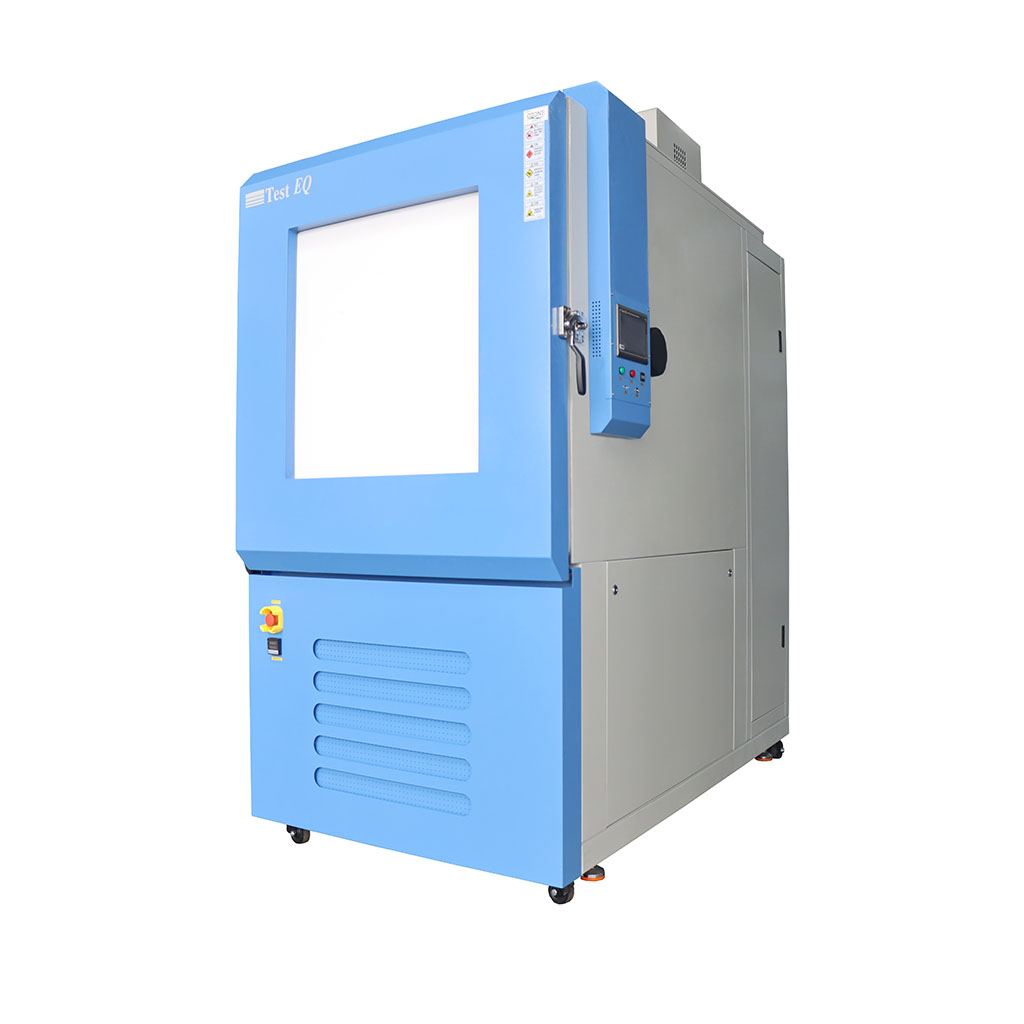
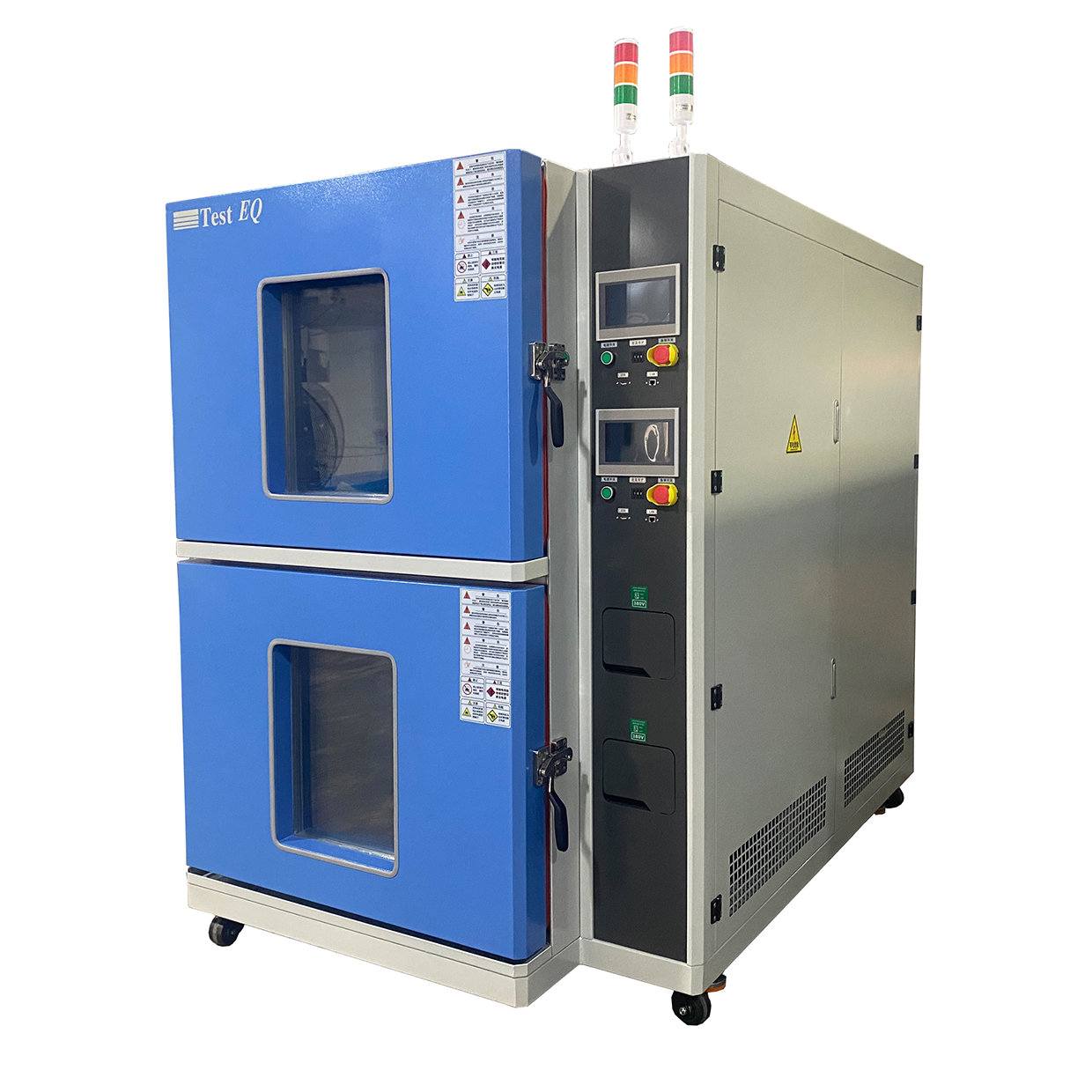
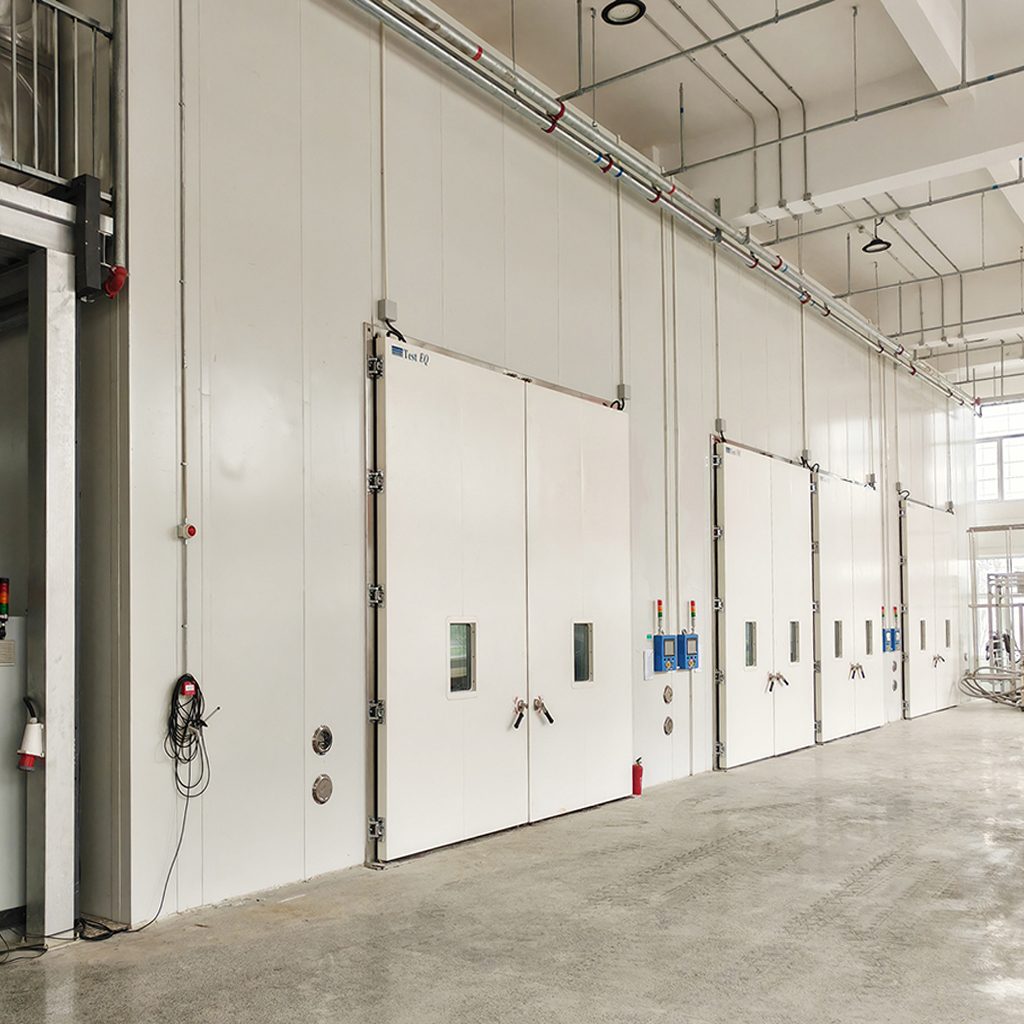
Temperature Humidity Vibration Test Chamber for AGREE Environmental Testing
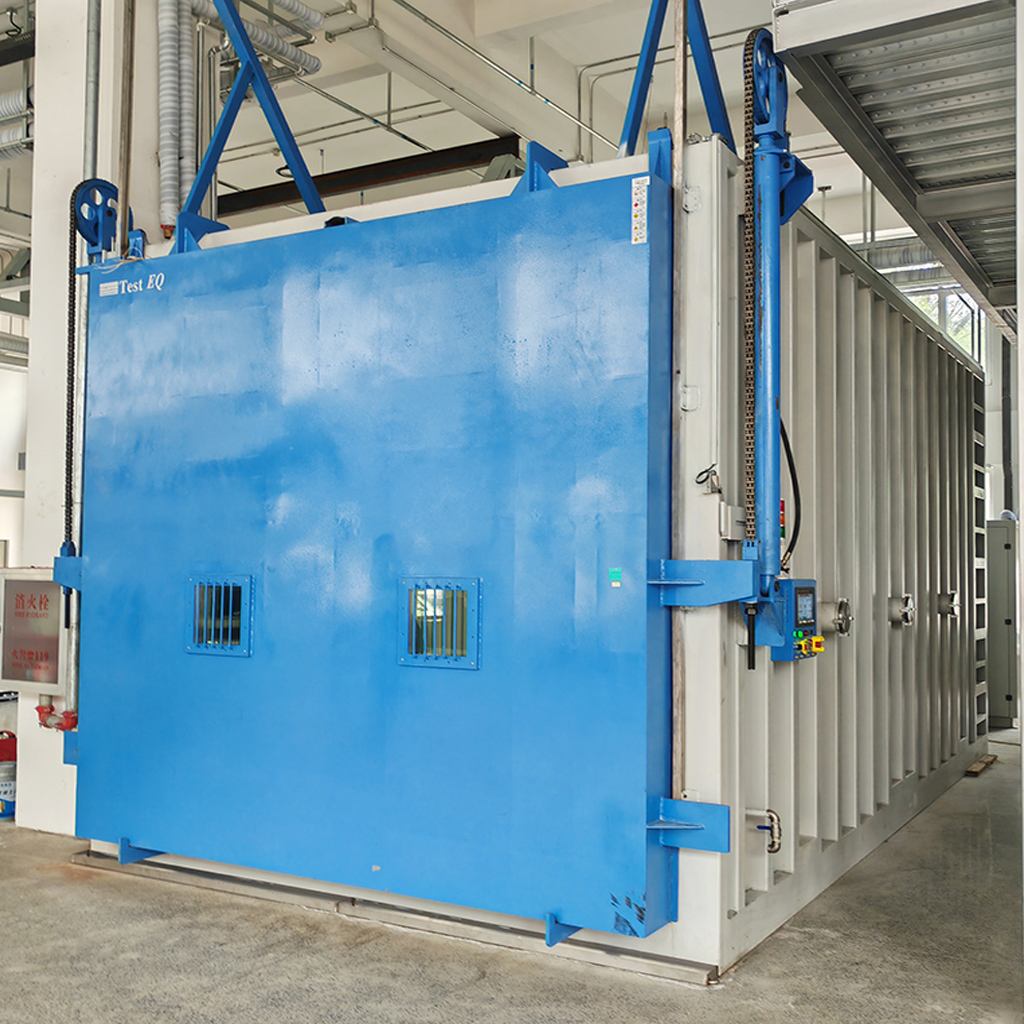
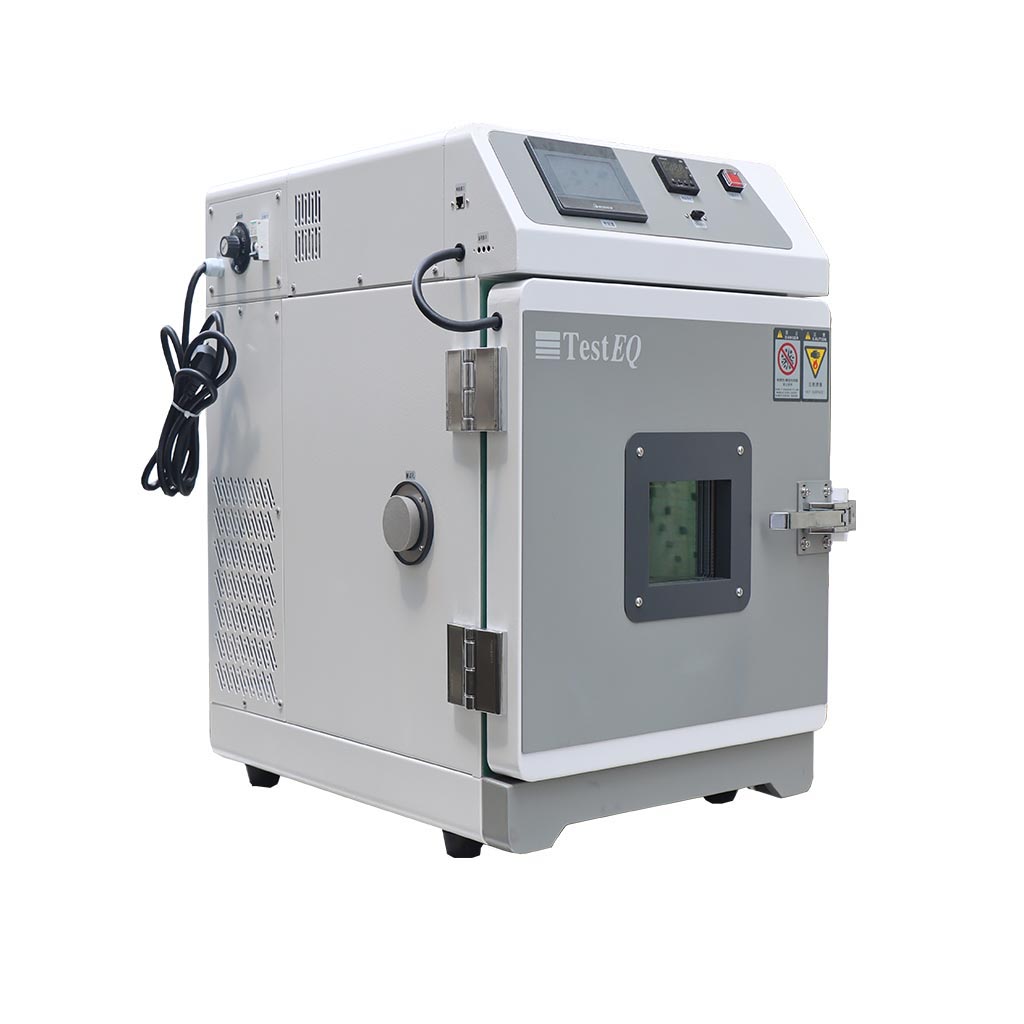
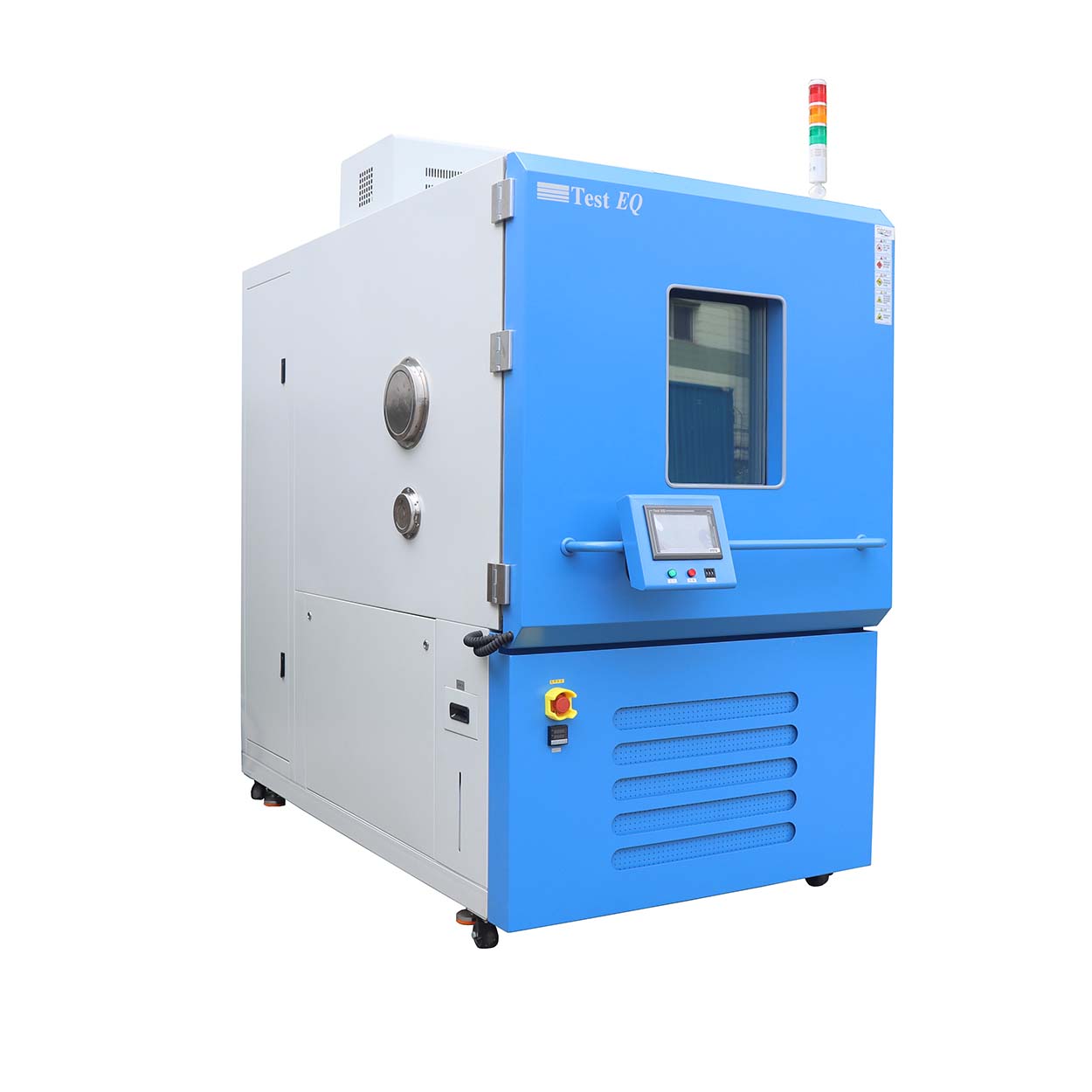
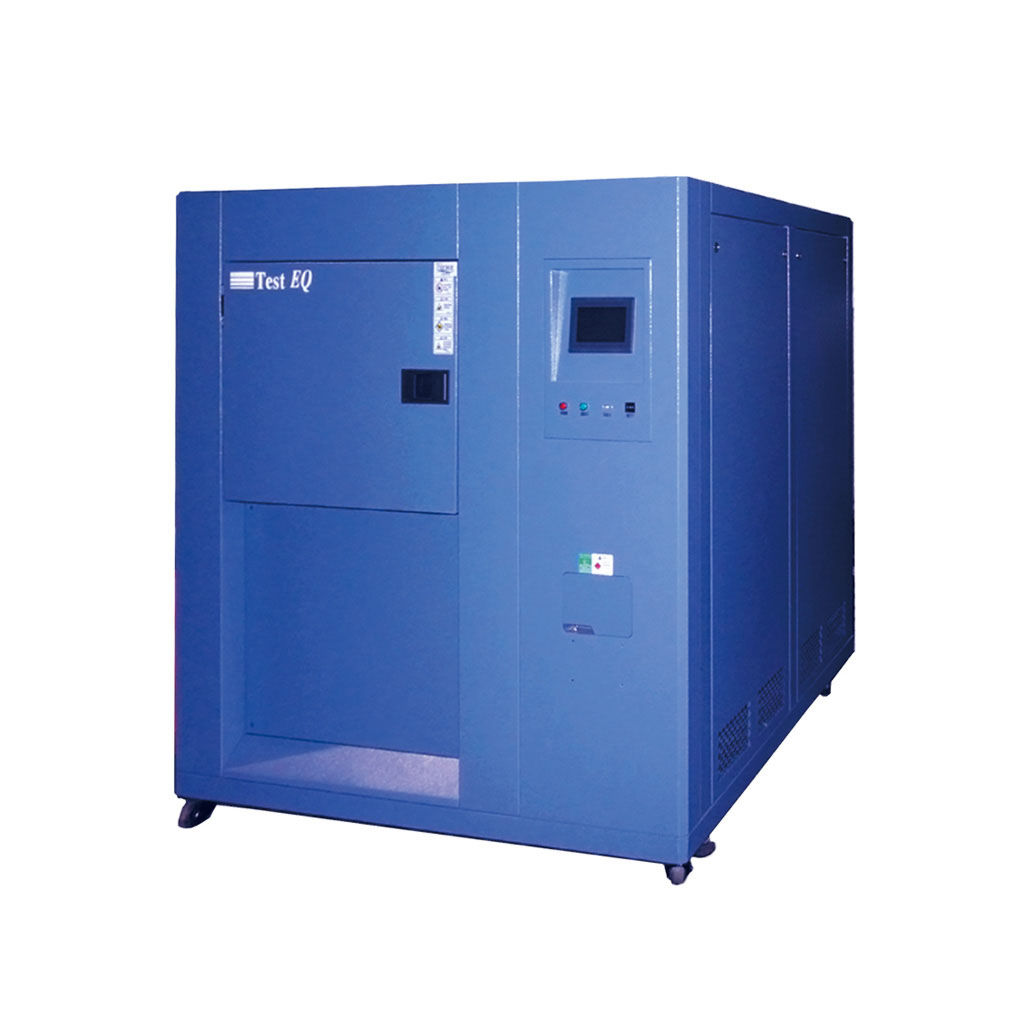
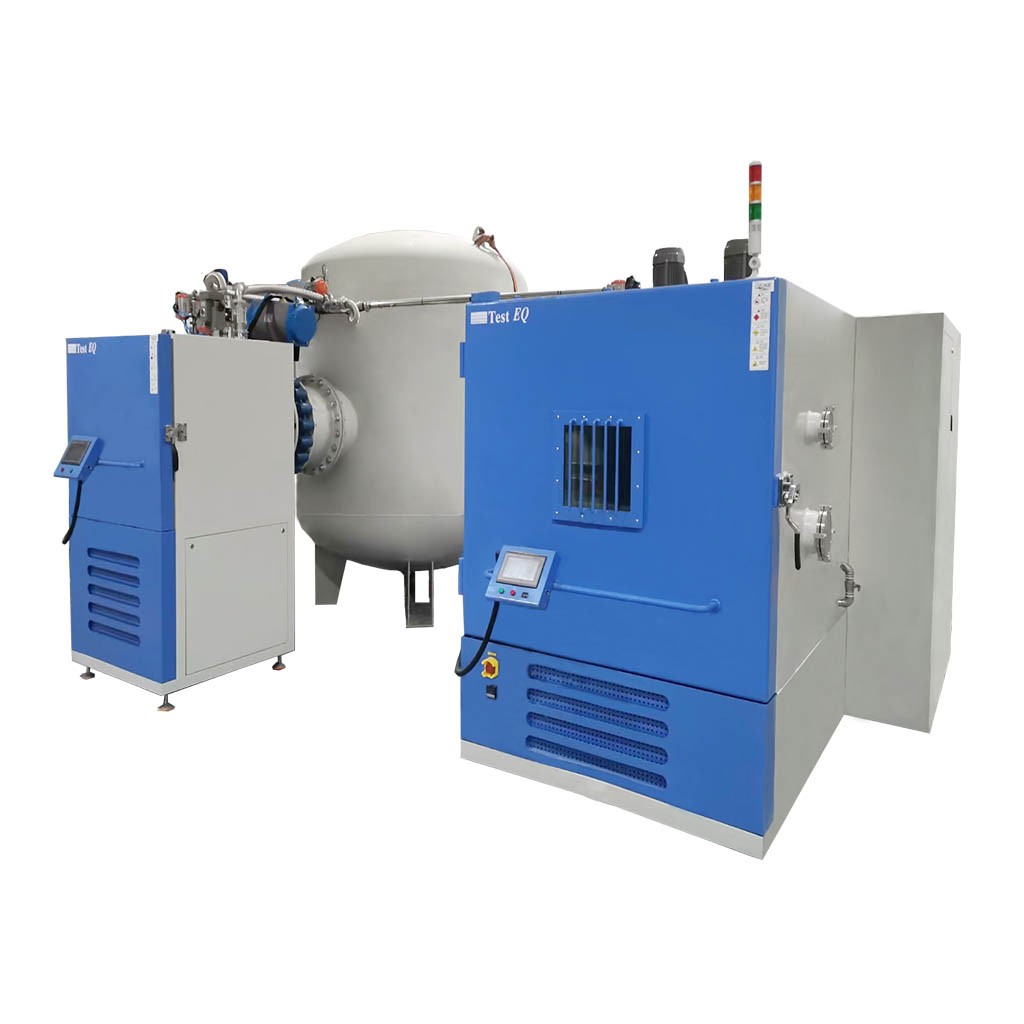
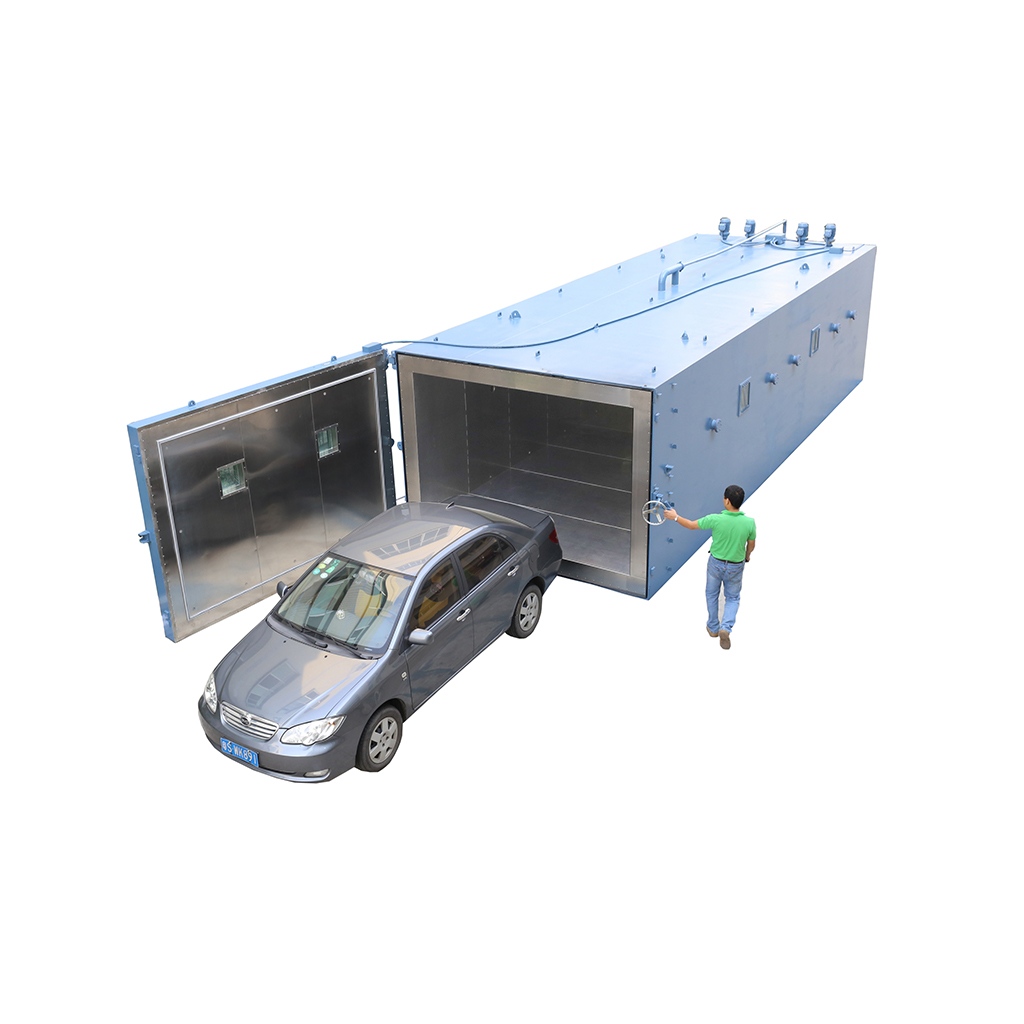
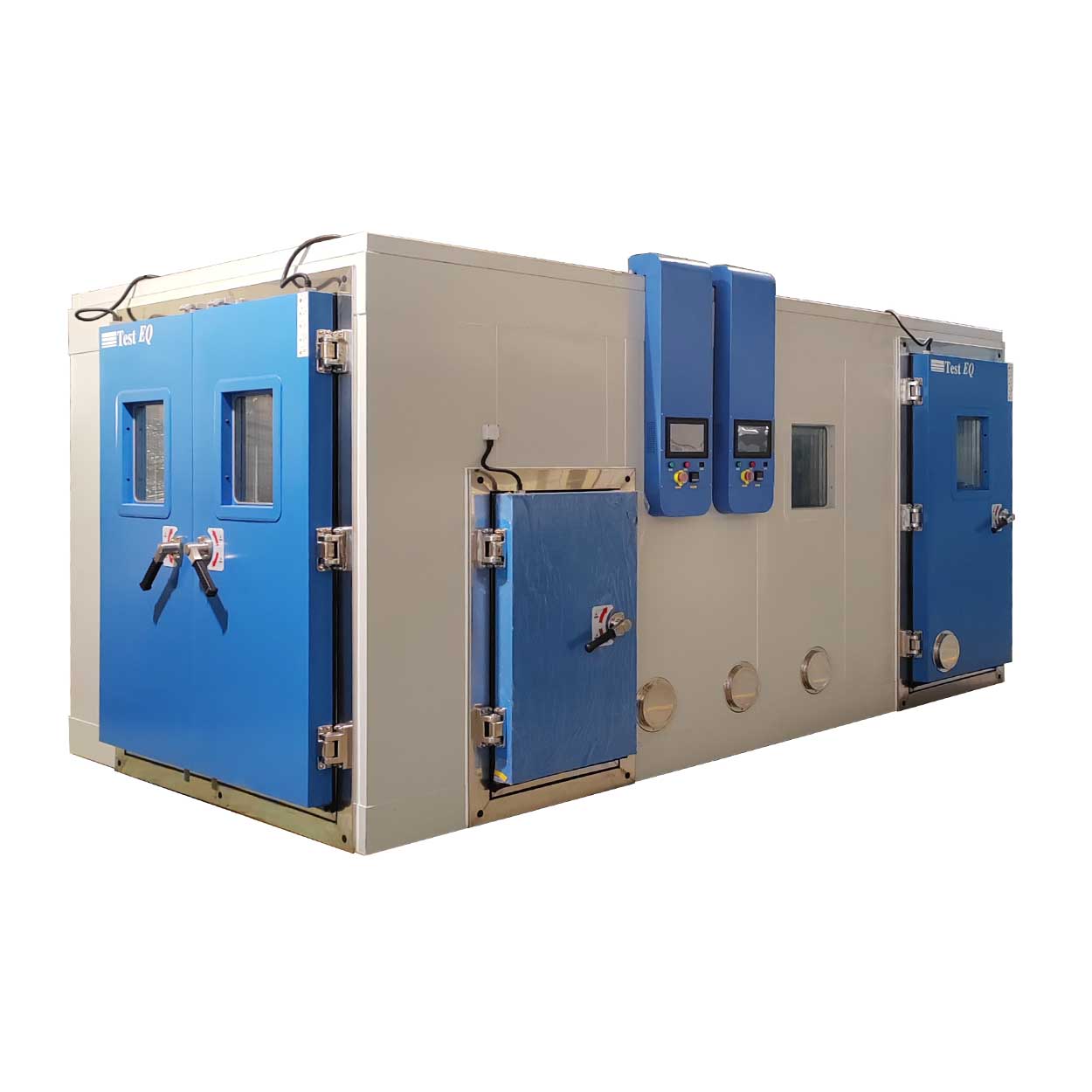
A Temperature Humidity Vibration Test Chamber is a combined environmental reliability testing system that applies controlled temperature, humidity and mechanical vibration to a product in one coordinated test environment.
This configuration is commonly associated with AGREE environmental testing, where climatic conditions and mechanical vibration are evaluated together.
TestEQ designs temperature humidity vibration systems for aerospace, automotive, EV, electronics, communication equipment and other applications requiring multi-stress environmental qualification.
What Is a Temperature Humidity Vibration Test Chamber?
The system combines three environmental stresses:
Temperature + Humidity + Vibration
Temperature and relative humidity are controlled inside the environmental chamber while the vibration system applies the required dynamic excitation.
This arrangement allows engineers to evaluate product behavior when moisture and climatic conditions interact with mechanical loading.
What Is AGREE Environmental Testing?
AGREE testing refers to an approach for evaluating equipment under combined environmental stresses rather than treating each environmental factor as an isolated condition.
A typical AGREE-type system can coordinate:
• Temperature
• Humidity
• Mechanical vibration
• Programmable test sequences
• Product monitoring
The equipment configuration should be determined from the actual qualification requirement because AGREE programs can vary by application.
Why Add Humidity to Vibration Testing?
Humidity can affect electrical insulation, corrosion behavior, material properties, sealing performance and electronic reliability.
When humidity is present while vibration is applied, mechanical movement can interact with moisture-related degradation mechanisms.
The combined environment can be used to investigate:
• Moisture-related electrical failures
• Corrosion
• Connector degradation
• Insulation problems
• Solder-joint reliability
• Mechanical fatigue
• Seal performance
• Material degradation
How Does the 3-in-1 System Work?
The chamber first establishes the required climatic conditions.
The vibration system then applies the programmed mechanical profile while the environmental controller maintains temperature and humidity.
A typical qualification sequence can include:
1. Environmental stabilization
2. Temperature and humidity conditioning
3. Vibration application
4. Continuous environmental monitoring
5. Product functional monitoring
6. Test sequence transition
7. Post-test inspection
The actual sequence depends on the applicable test procedure.
Why Use a Temperature Humidity Vibration Test Chamber?
Traditional reliability testing usually evaluates temperature, humidity, or vibration separately. However, real-world failures often occur when multiple stresses happen simultaneously.
A Temperature Humidity Vibration Test Chamber allows engineers to reproduce combined environmental conditions by applying:
Temperature cycling stress
Humidity exposure
Mechanical vibration loading
This combined approach helps identify:
Solder joint fatigue
Connector failures
Material expansion mismatch
Electronic component degradation
Structural weaknesses
Compared with single-factor testing, combined environmental testing provides a more realistic reliability evaluation before product deployment.
How to Select the Right Combined Environmental Test Chamber?
| Requirement | Recommended Solution |
|---|
| Temperature only | Temperature Chamber |
| Temperature + Humidity | Temperature Humidity Chamber |
| Temperature + Vibration | Temperature Vibration Chamber |
| Temperature + Humidity + Vibration | AGREE Environmental Chamber |
| Temperature + Humidity + Vibration + Altitude | 4-in-1 Environmental Test Chamber |
Temperature Humidity Vibration vs. Temperature Vibration
| Engineering Factor | Temperature Vibration Test Chamber | Temperature Humidity Vibration Test Chamber |
|---|
| Environmental Conditions | Temperature + Vibration | Temperature + Humidity + Vibration |
| Primary Purpose | Evaluate thermal-mechanical reliability | Evaluate combined climatic and mechanical reliability |
| Temperature Control | Yes | Yes |
| Humidity Control | Not required | Yes |
| Mechanical Vibration | Yes | Yes |
| Main Stress Mechanism | Thermal expansion/contraction + dynamic loading | Temperature + moisture exposure + dynamic loading |
| Typical Failure Concerns | Thermal-mechanical fatigue, cracking, solder-joint stress, connector loosening | Moisture degradation, corrosion, insulation issues, solder-joint fatigue, mechanical degradation |
| Typical Application | Products exposed to temperature changes and vibration | Products exposed to temperature, humidity and vibration simultaneously |
| Typical Industries | Automotive, EV, aerospace, electronics, semiconductor | Aerospace, automotive, EV, electronics, communication equipment |
| Environmental Testing Approach | 2-factor combined testing | 3-factor combined environmental testing |
| AGREE Application | Not the primary focus | Commonly used for AGREE-type combined environmental testing |
| When to Choose | When humidity is not part of the required test condition | When humidity must be controlled during vibration testing |
Which System Should Engineers Choose?
Choose a Temperature Vibration Test Chamber when:
The qualification program specifies temperature and vibration.
Humidity is not a required environmental stress.
The primary concern is thermal-mechanical reliability.
The product operates under changing temperature and mechanical vibration.
Choose a Temperature Humidity Vibration Test Chamber when:
Humidity must be controlled during vibration testing.
The product is sensitive to moisture or corrosion.
The qualification program requires temperature, humidity and vibration simultaneously.
An AGREE-type environmental test is required.
In simple terms:
Temperature Vibration = Temperature + Vibration
Temperature Humidity Vibration = Temperature + Humidity + Vibration
The correct configuration should be selected according to the applicable test standard, product environment and qualification procedure—not simply by chamber name.
How to Specify an AGREE Test Chamber
Before requesting a quotation, engineering and procurement teams should define:
Climatic Requirements
• Minimum temperature
• Maximum temperature
• Relative humidity range
• Ramp rate
• Dwell time
• Test duration
Vibration Requirements
• Frequency range
• Acceleration
• Displacement
• Force
• Axis
• Random or sinusoidal profile
Product Requirements
• Specimen dimensions
• Weight
• Fixture
• Cable routing
• Operating condition
• Functional monitoring
Chamber Requirements
• Internal volume
• Shaker interface
• Door configuration
• Observation requirements
• Control and data logging
• Safety functions
Why Choose TestEQ for AGREE Testing?
• Integrated temperature, humidity and vibration control
• AGREE-oriented environmental chamber configurations
• Customized shaker interfaces
• Custom fixtures
• Wide temperature and humidity capability
• Programmable combined environmental profiles
• Engineering support for complex qualification programs
Standards Compliance:
This chamber is designed to meet multiple industrial and military environmental standards, including but not limited to:
•GB/5170.2-1996: Verification Methods for Environmental Testing Equipment Parameters (Temperature)
•GB2423.1-89: Basic Environmental Testing Procedures (Test A: Low Temperature)
•GB2423.2-89: Basic Environmental Testing Procedures (Test B: High Temperature)
•GB/T2423.3-93: Damp Heat Testing Methodology
•GJB150.3-86: Military Equipment Environmental Tests (High Temperature)
•GB/T 28046.4, ISO 16750-4, GMW 3172, VW80101, GB/T 10485
•GB/T2423 / IEC 60068 series
•ISO / automotive reliability test protocols
Ensuring compatibility with global testing requirements.
Frequently Asked Questions About Temperature Humidity Vibration Test Chambers
1.What Is a Temperature Humidity Vibration Test Chamber and How Does It Work?
A temperature humidity vibration test chamber is an integrated environmental testing system that combines controlled temperature, relative humidity and mechanical vibration. The chamber maintains the required climatic conditions while the vibration system applies the specified mechanical excitation to the test specimen.
2.What Is an AGREE Environmental Test Chamber Used For?
An AGREE environmental test chamber is used for coordinated environmental qualification in which products are exposed to multiple environmental stresses, such as temperature, humidity and vibration. It is commonly considered for aerospace, automotive, electronics and other high-reliability applications.
3.Why Combine Temperature, Humidity and Vibration in One Reliability Test?
Combining these conditions can reproduce environmental interactions that may not be identified when each stress is tested separately. The approach can help engineers investigate moisture-related degradation, mechanical fatigue, connector problems, corrosion, solder-joint reliability and other combined failure mechanisms.
4.What Is the Difference Between Temperature Vibration and Temperature Humidity Vibration Testing?
Temperature vibration testing combines temperature and mechanical vibration. Temperature humidity vibration testing adds controlled relative humidity, making it suitable for qualification programs where moisture exposure is also part of the required environmental stress profile.
5.How Do Engineers Select a Temperature Humidity Vibration Test Chamber?
Selection should consider the required temperature range, humidity range, vibration frequency, acceleration, displacement, specimen dimensions, specimen weight, fixture configuration, shaker interface and applicable test standard. The chamber volume and vibration system should be selected as one integrated system.
6.Can Temperature, Humidity and Vibration Be Controlled Simultaneously?
Yes. The system can be configured to control temperature and humidity while the vibration system operates according to a programmed test profile. The exact sequence and simultaneous operating conditions depend on the applicable qualification procedure.
7.What Vibration Profiles Can Be Used in an AGREE Test Chamber?
Depending on the shaker and control system, the chamber can be configured for sinusoidal, random or swept-sine vibration. The required profile should be determined from the customer's qualification specification or applicable test standard.
8.What Temperature and Humidity Range Can a Temperature Humidity Vibration Chamber Provide?
TestEQ configurations can be customized according to the application. Typical configurations can support temperatures down to approximately -70°C and humidity conditions up to 98% RH. Final performance depends on chamber size, specimen loading and the required environmental profile.
9.Can TestEQ Integrate an Existing Electrodynamic Shaker With the Chamber?
Yes. TestEQ can design the environmental chamber interface, sealing structure and fixture around an existing electrodynamic shaker. The shaker model, table dimensions, force rating, frequency range and specimen requirements should be provided during technical evaluation.
10.What Standards Can Be Used for Temperature Humidity Vibration Testing?
Depending on the application, the system can be configured around relevant requirements from IEC 60068, MIL-STD-810H, RTCA DO-160, ISO 16750 and applicable customer-specific qualification procedures. The exact test method should be confirmed before equipment configuration.
11.Which Industries Use Temperature Humidity Vibration Test Chambers?
Typical applications include aerospace and avionics, automotive electronics, EV components, communication equipment, semiconductor-related products and other electronic or mechanical assemblies requiring combined environmental qualification.
12.Can the Chamber Be Customized for Large Products or Special Test Fixtures?
Yes. TestEQ can customize chamber dimensions, temperature and humidity performance, shaker interfaces, fixtures, access openings, cable routing and control functions according to the specimen and qualification requirements.
13.How Should I Request a Temperature Humidity Vibration Test Chamber From TestEQ?
Provide the test standard, temperature range, humidity range, vibration profile, specimen dimensions, specimen weight, shaker information and required test sequence. TestEQ engineers can use these parameters to recommend the appropriate chamber configuration and prepare a technical proposal.
Internal Linking Module
Recommended Equipment
For applications requiring controlled temperature and mechanical vibration without humidity conditioning. Suitable for thermal-mechanical reliability testing of automotive, aerospace and electronic products.
For qualification programs requiring temperature, humidity, vibration and altitude simulation in one integrated environmental testing system.
Related Standards
An overview of IEC 60068 requirements covering temperature, humidity, vibration and combined environmental tests.
Understand the major IEC, MIL-STD and other international standards used for three-combination environmental testing systems.
Review MIL-STD-810H environmental qualification requirements and relevant methods for vibration, temperature, humidity and other field-related environmental conditions.
Technical Resources
Learn the fundamentals of temperature and humidity simulation, chamber configurations and compliance requirements.
Discover how combined temperature, humidity and vibration chambers work and why they are widely used in aerospace, automotive and electronics reliability testing.