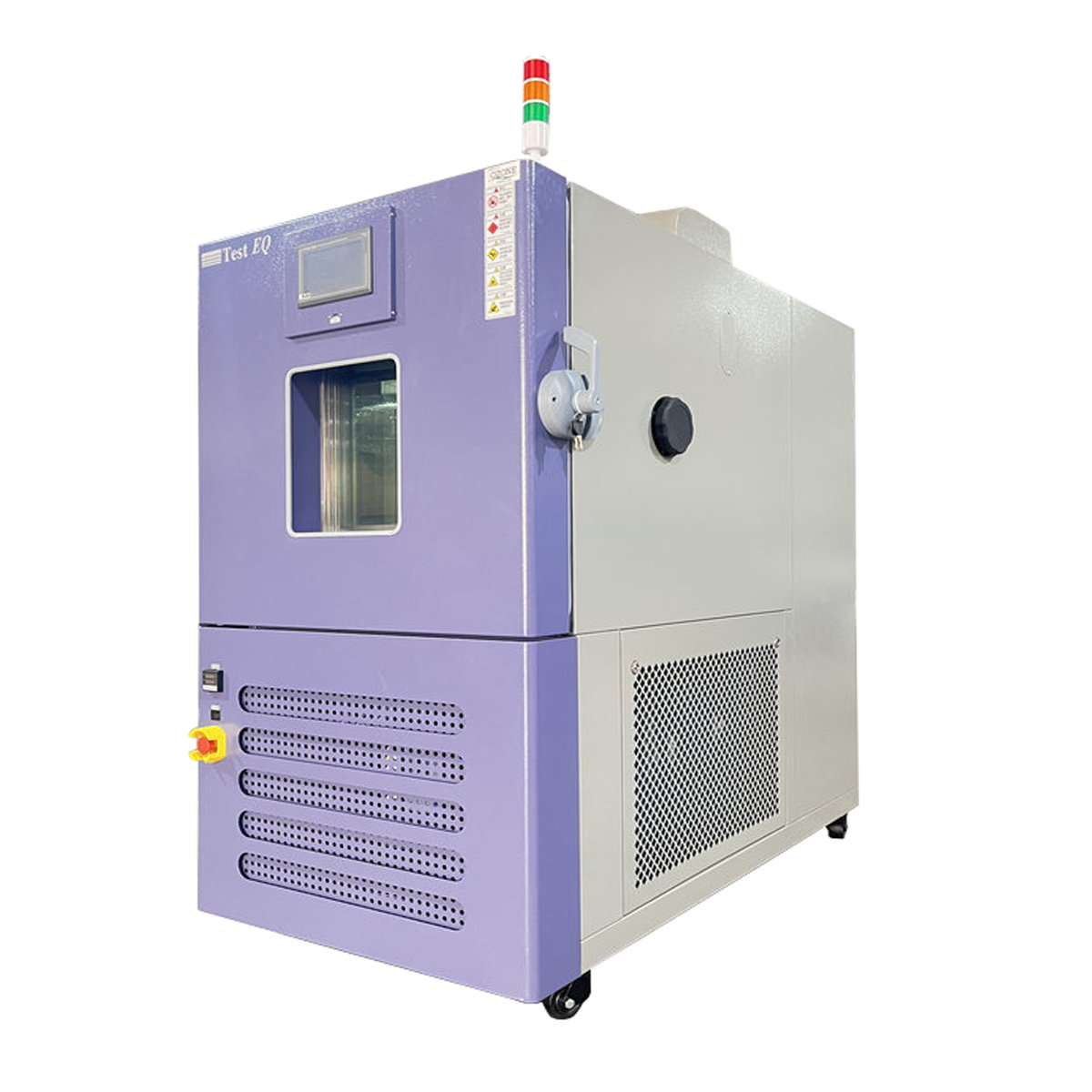
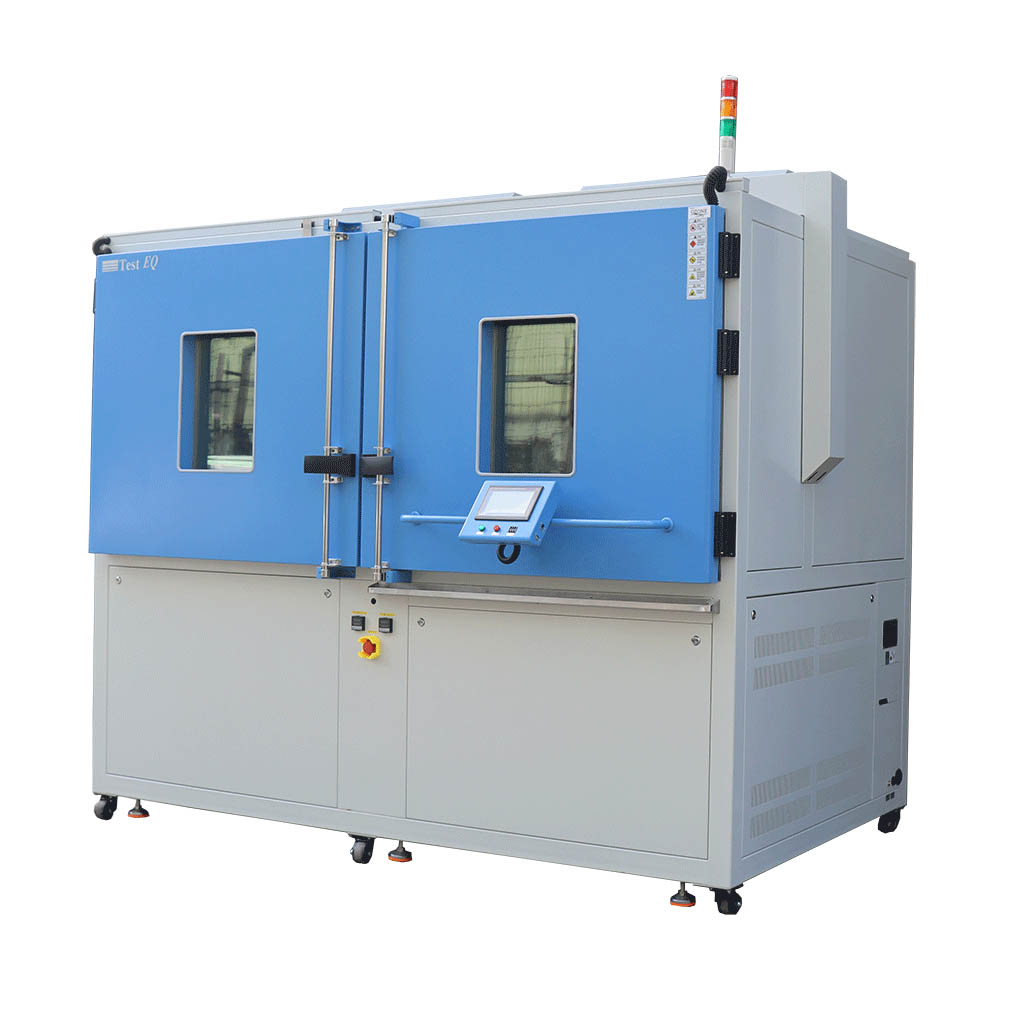
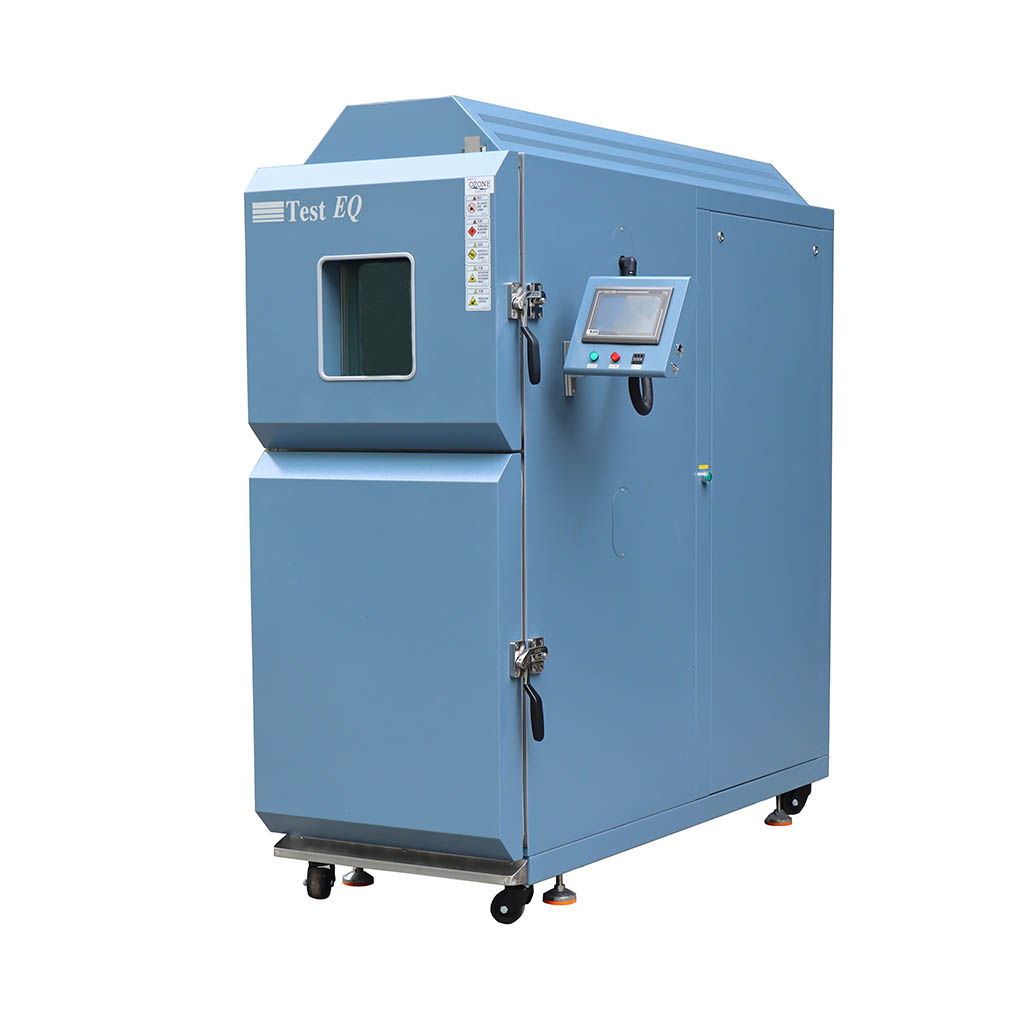
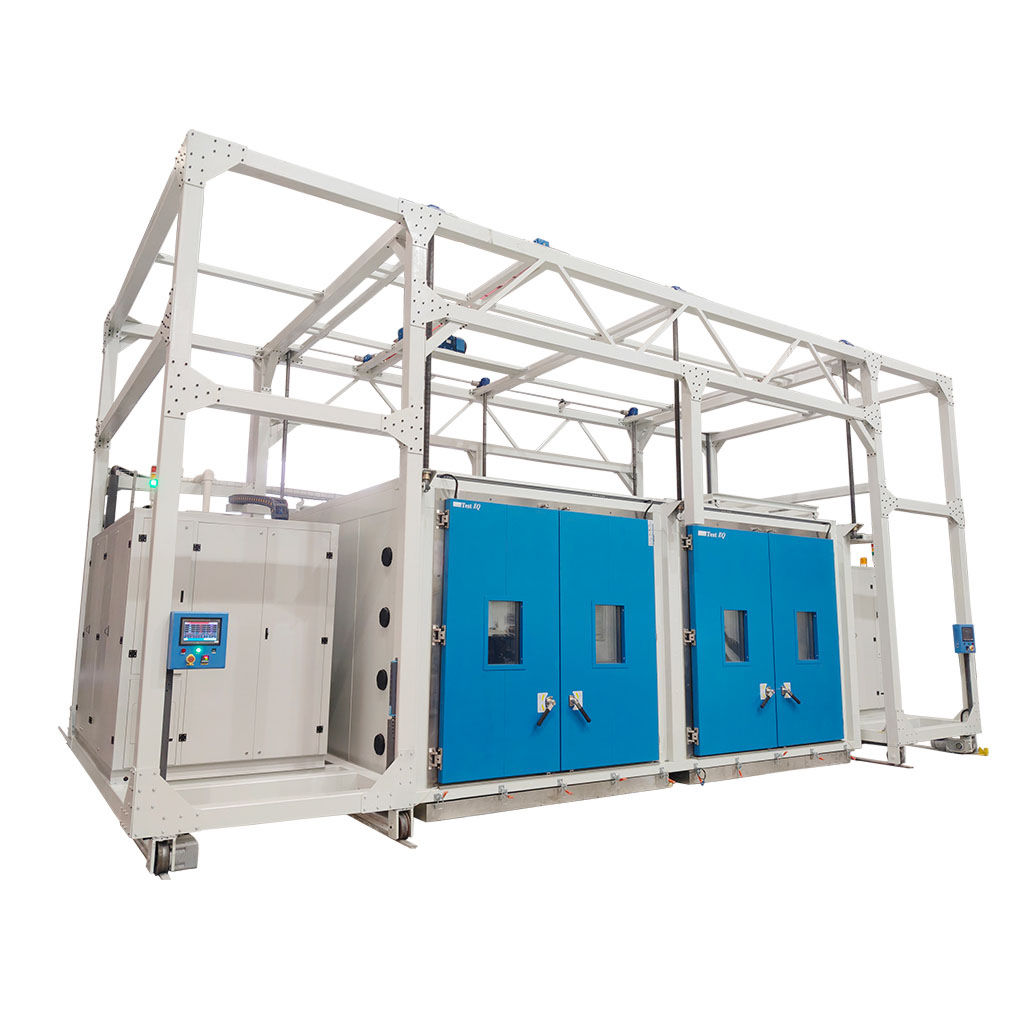
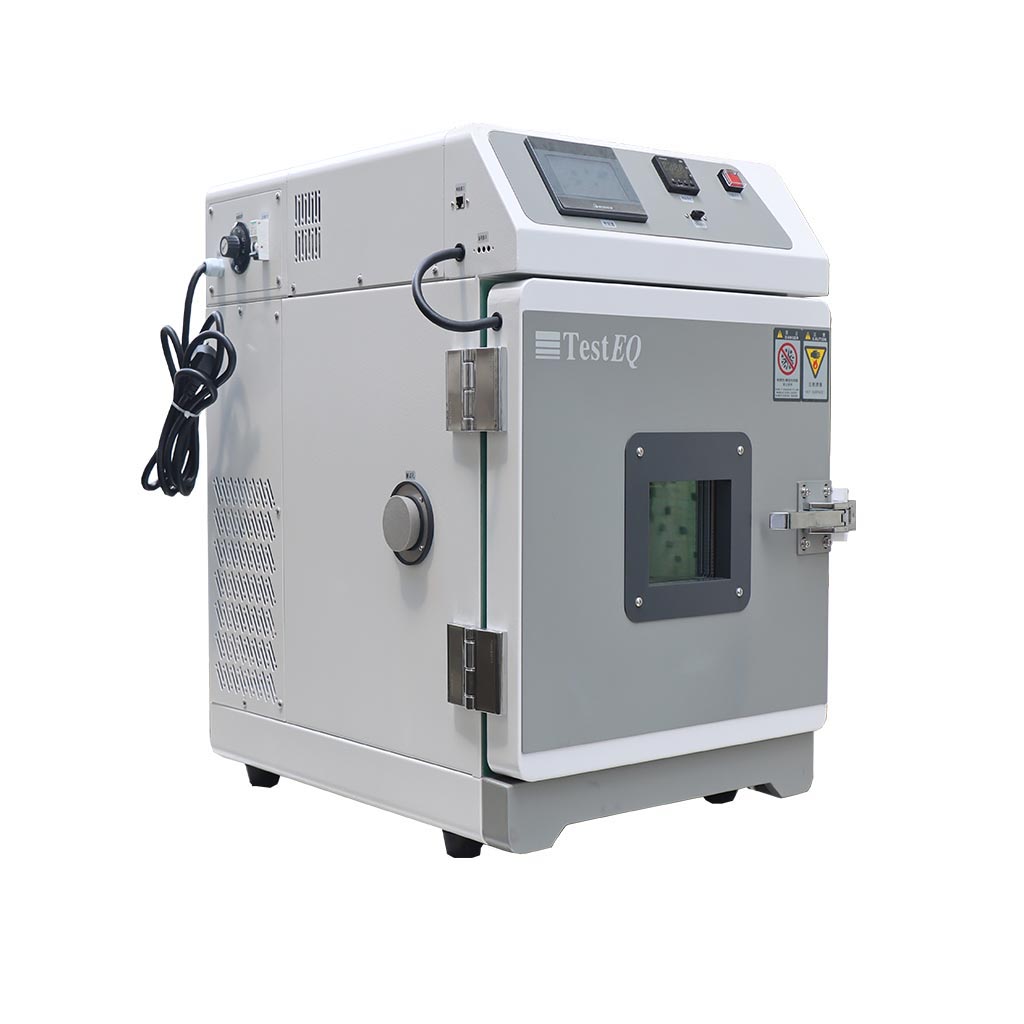
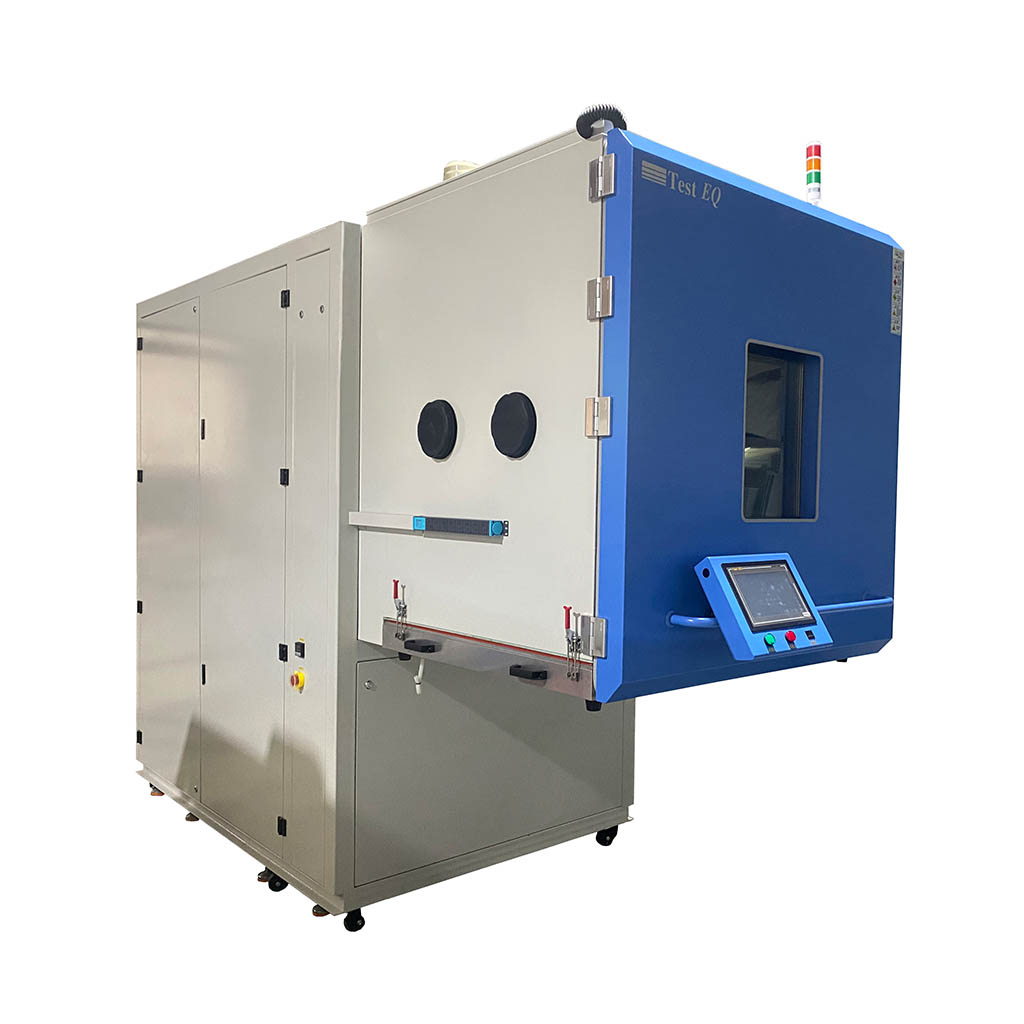
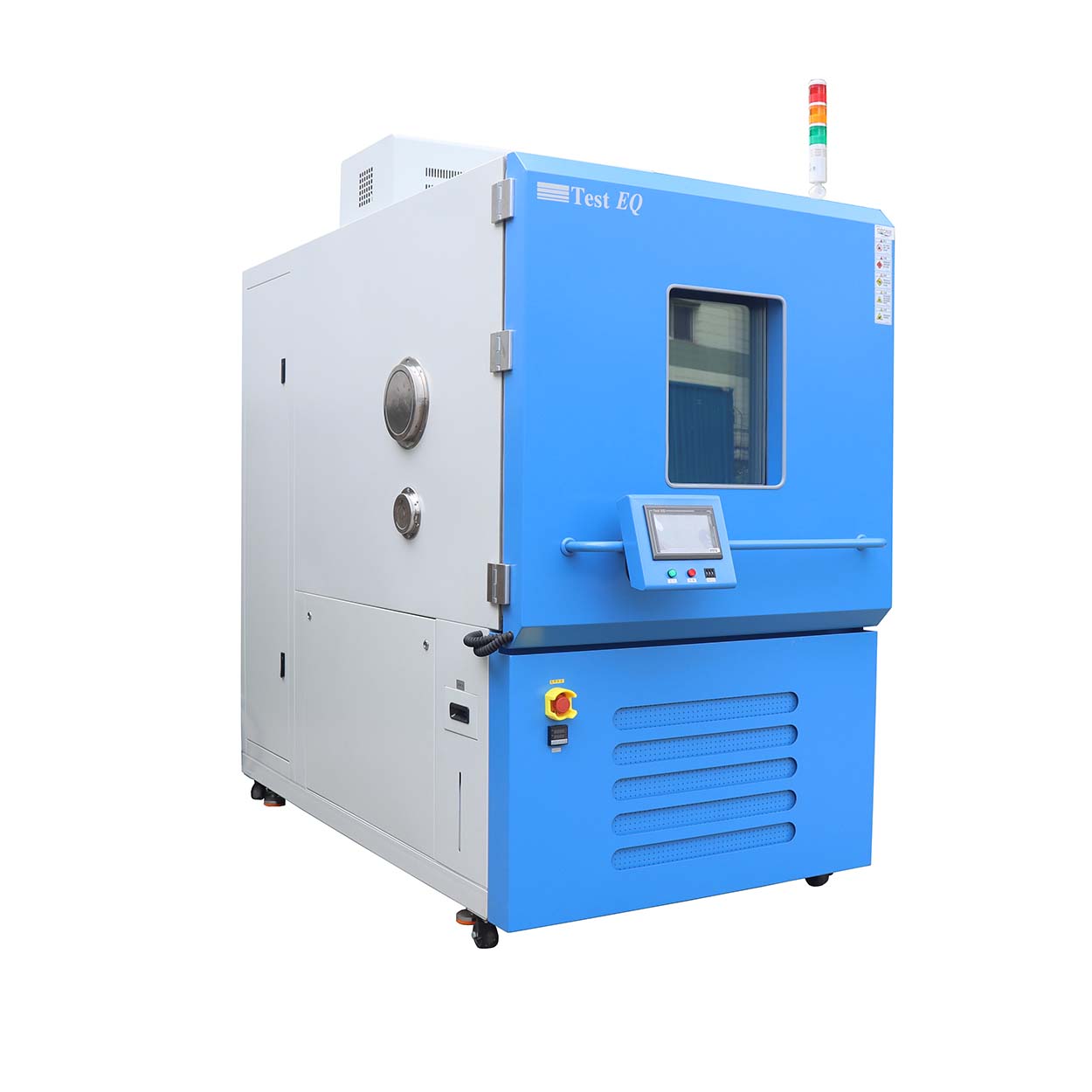
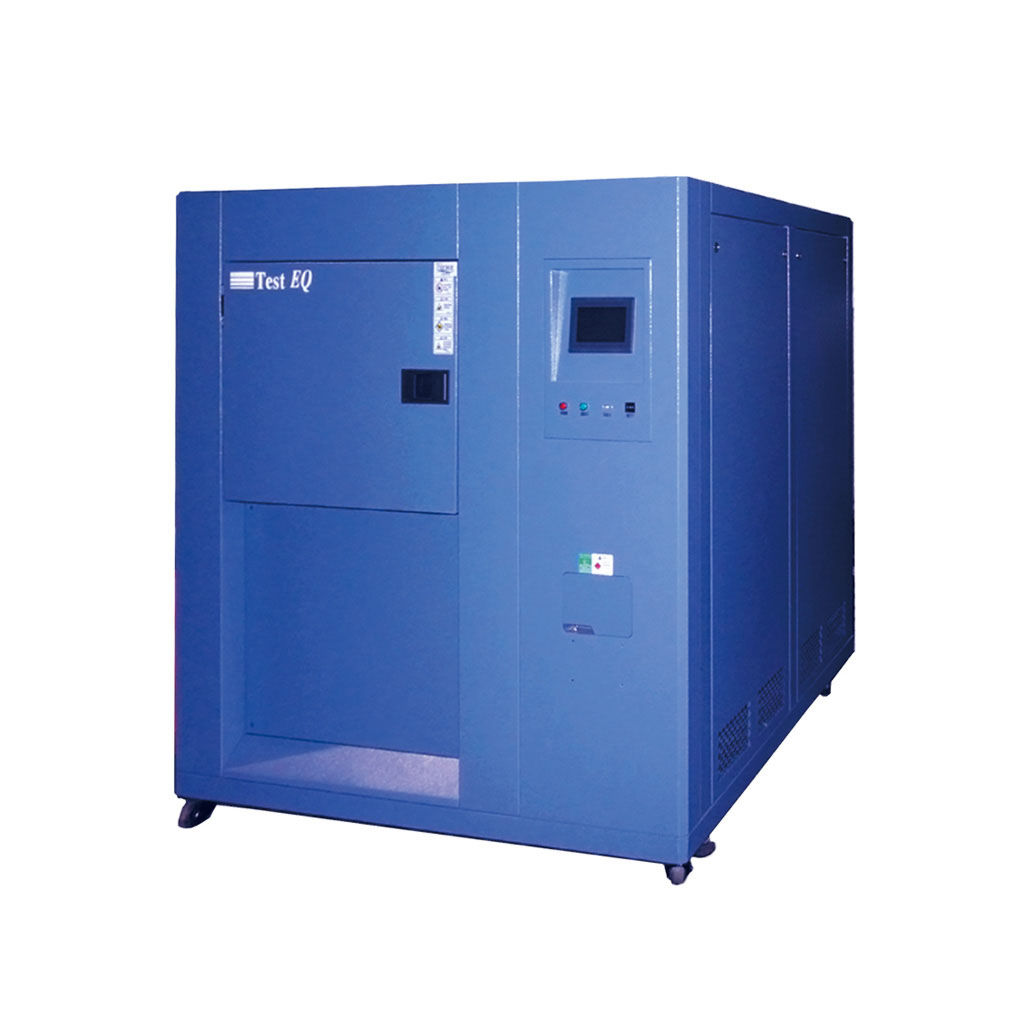
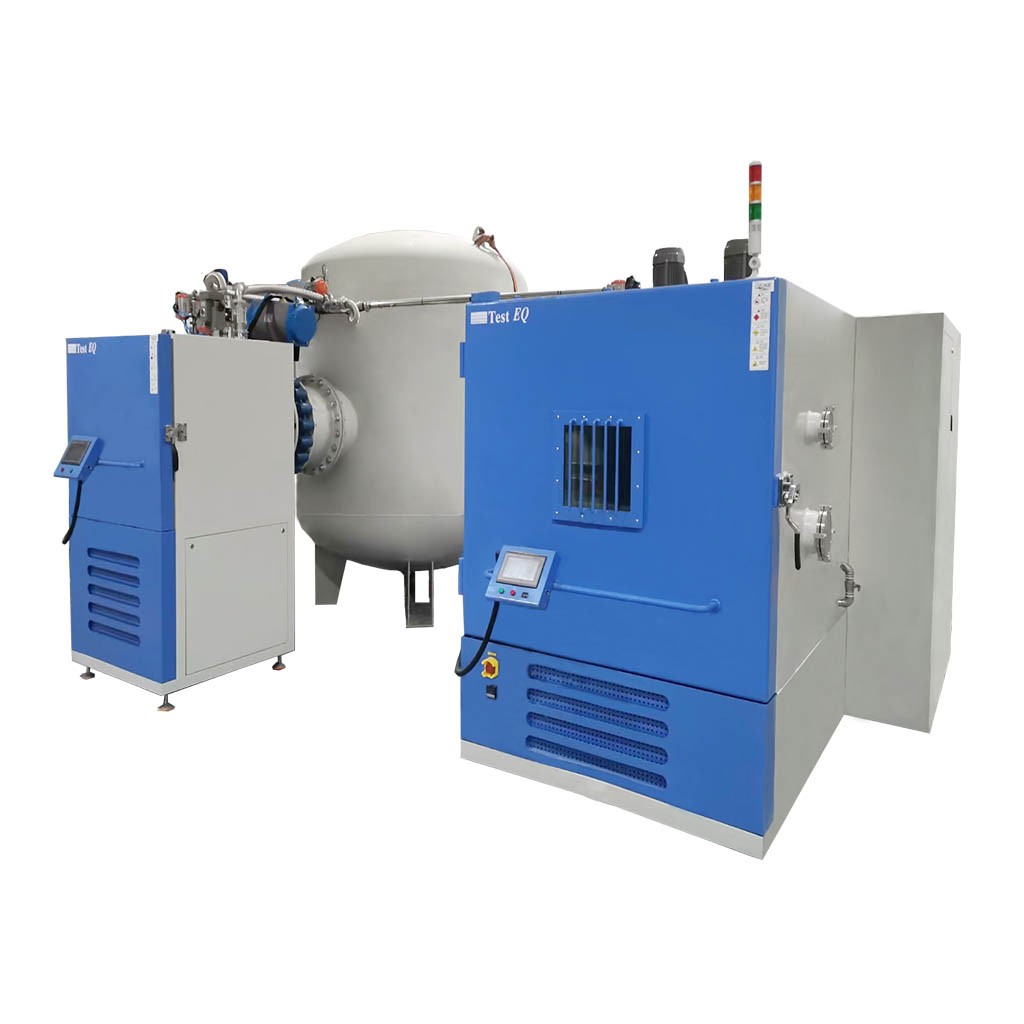
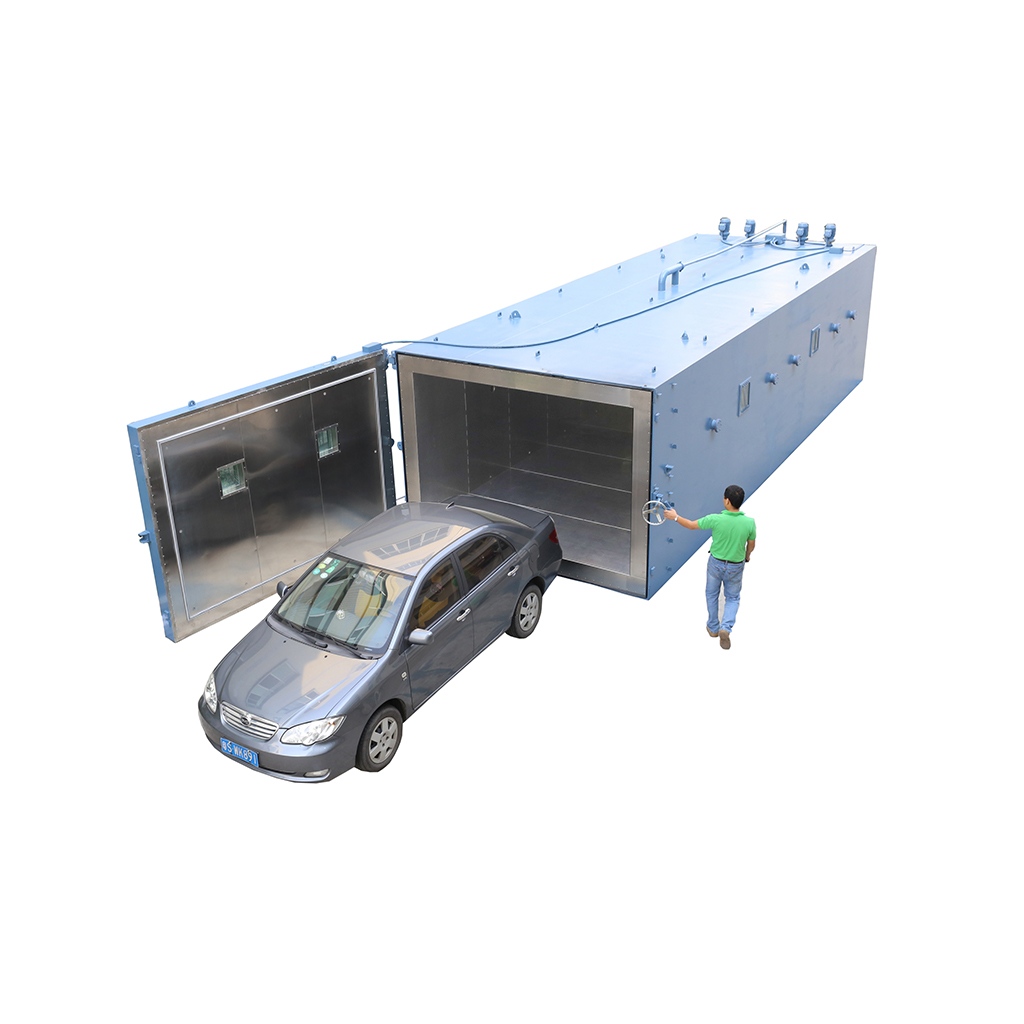
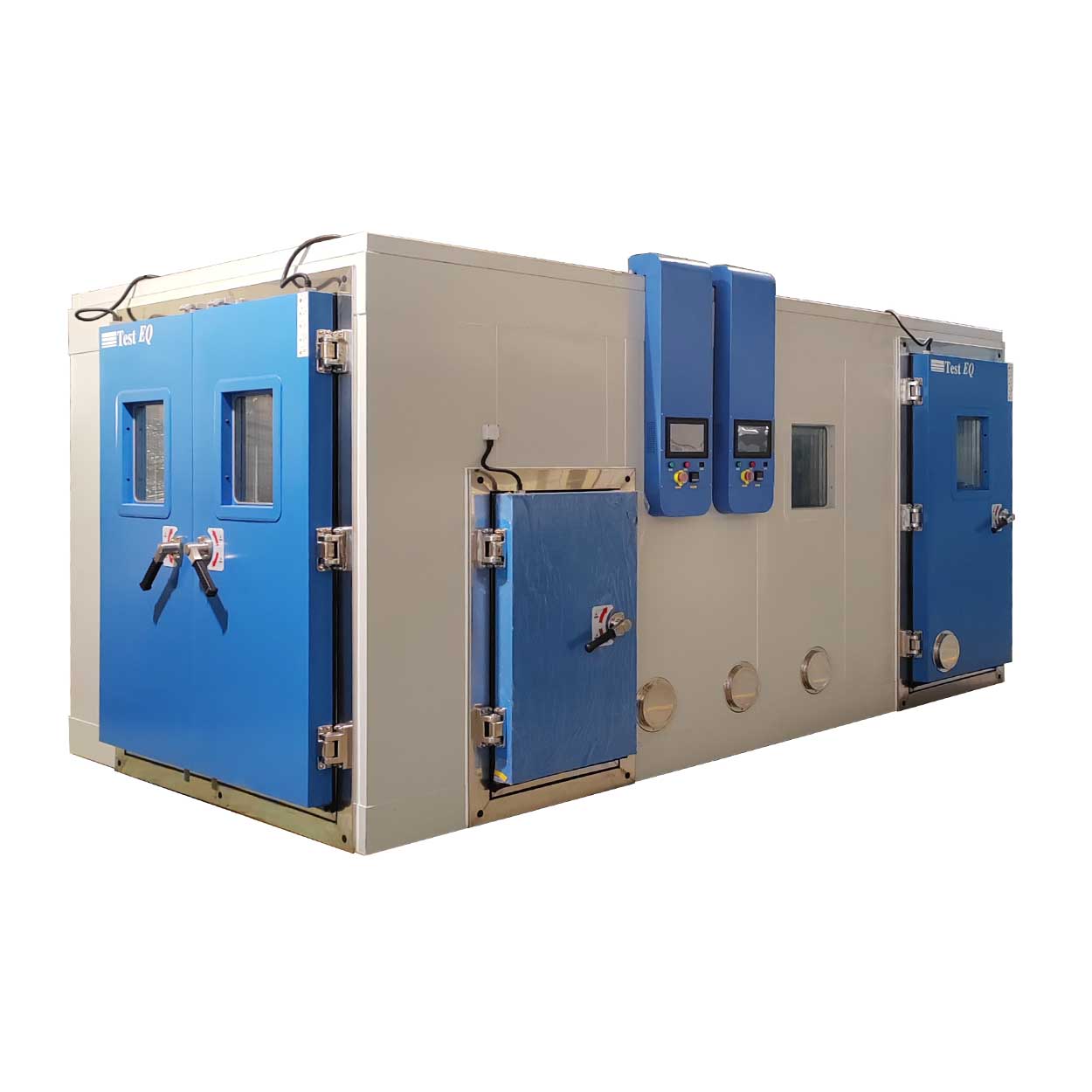
Vibration Test Chamber for Combined Environmental Testing
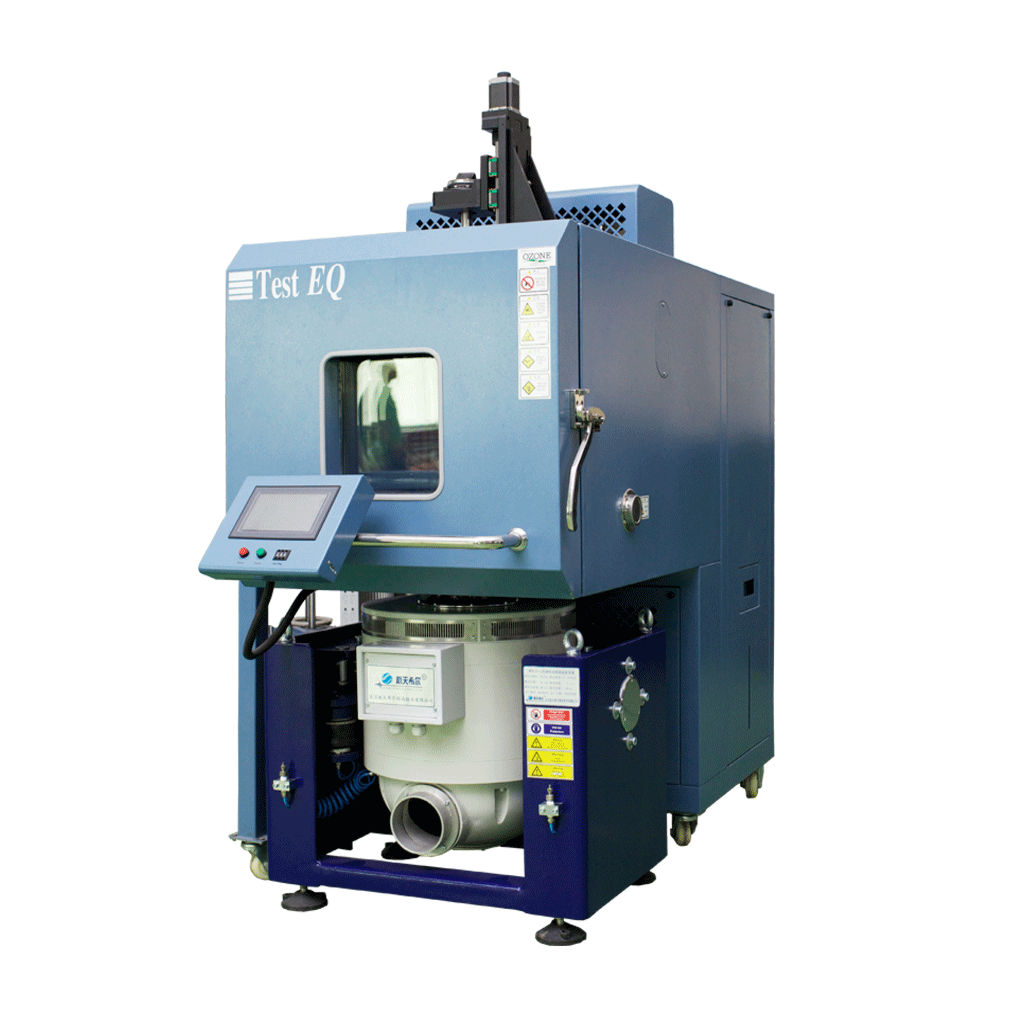
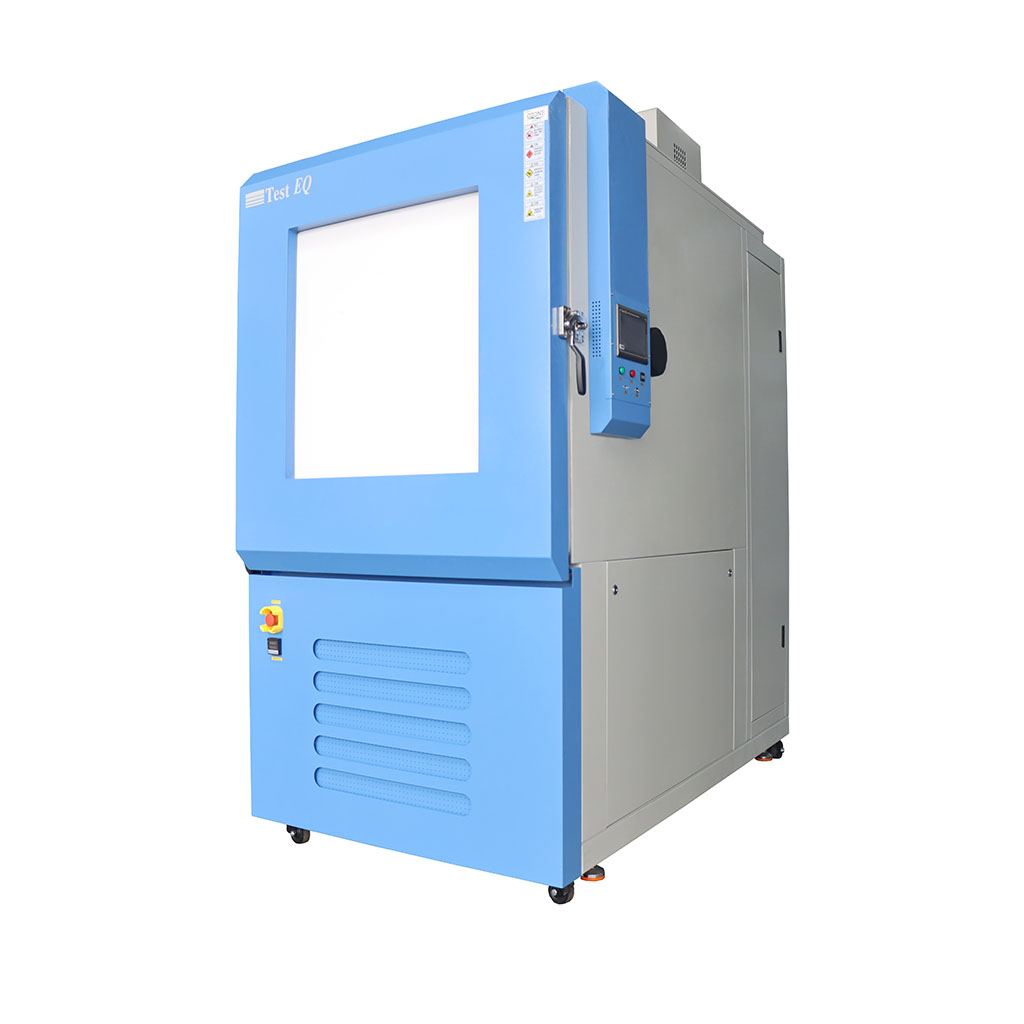
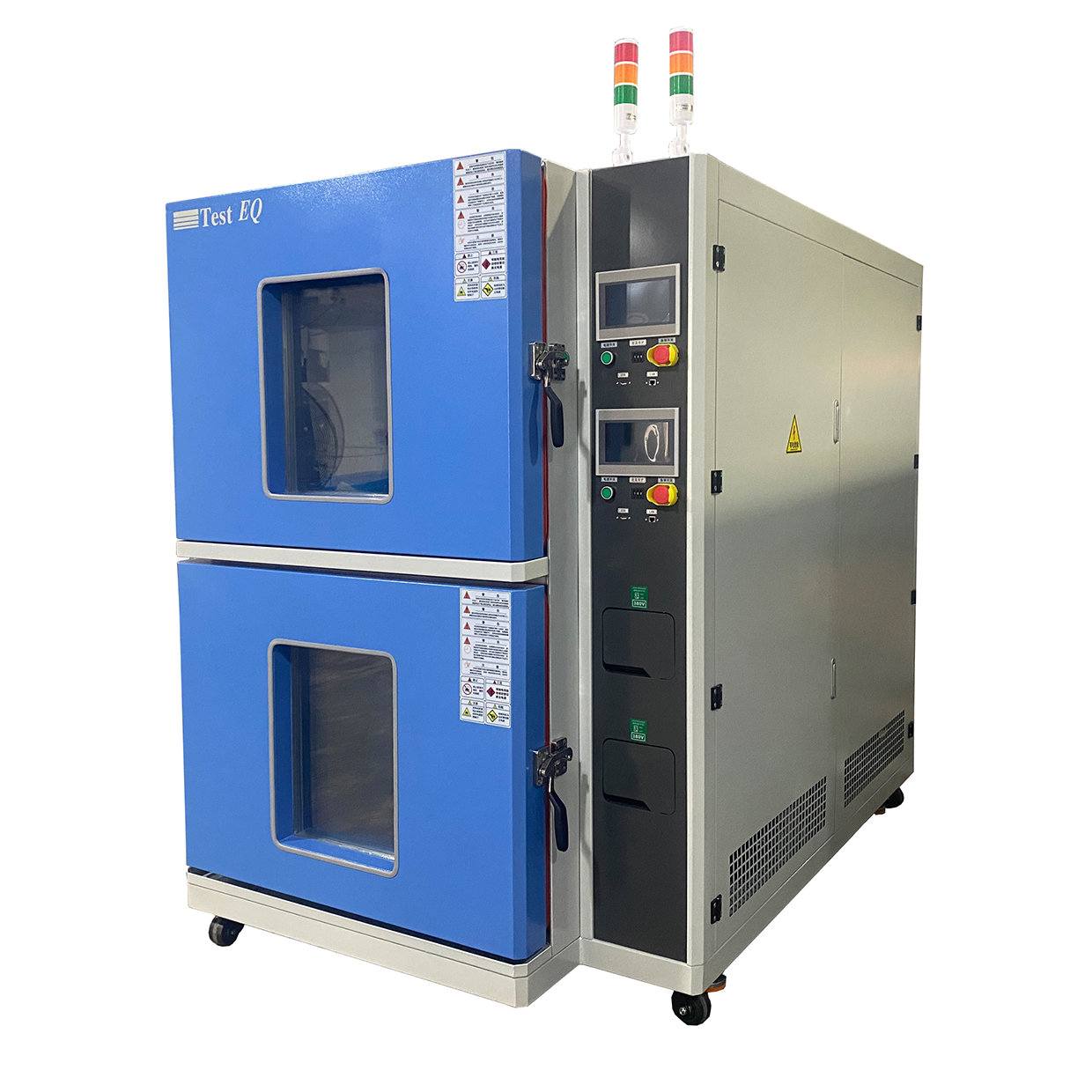
A Vibration Test Chamber is an environmental vibration testing system designed to evaluate how products, components and assemblies respond to controlled mechanical excitation under defined environmental conditions.
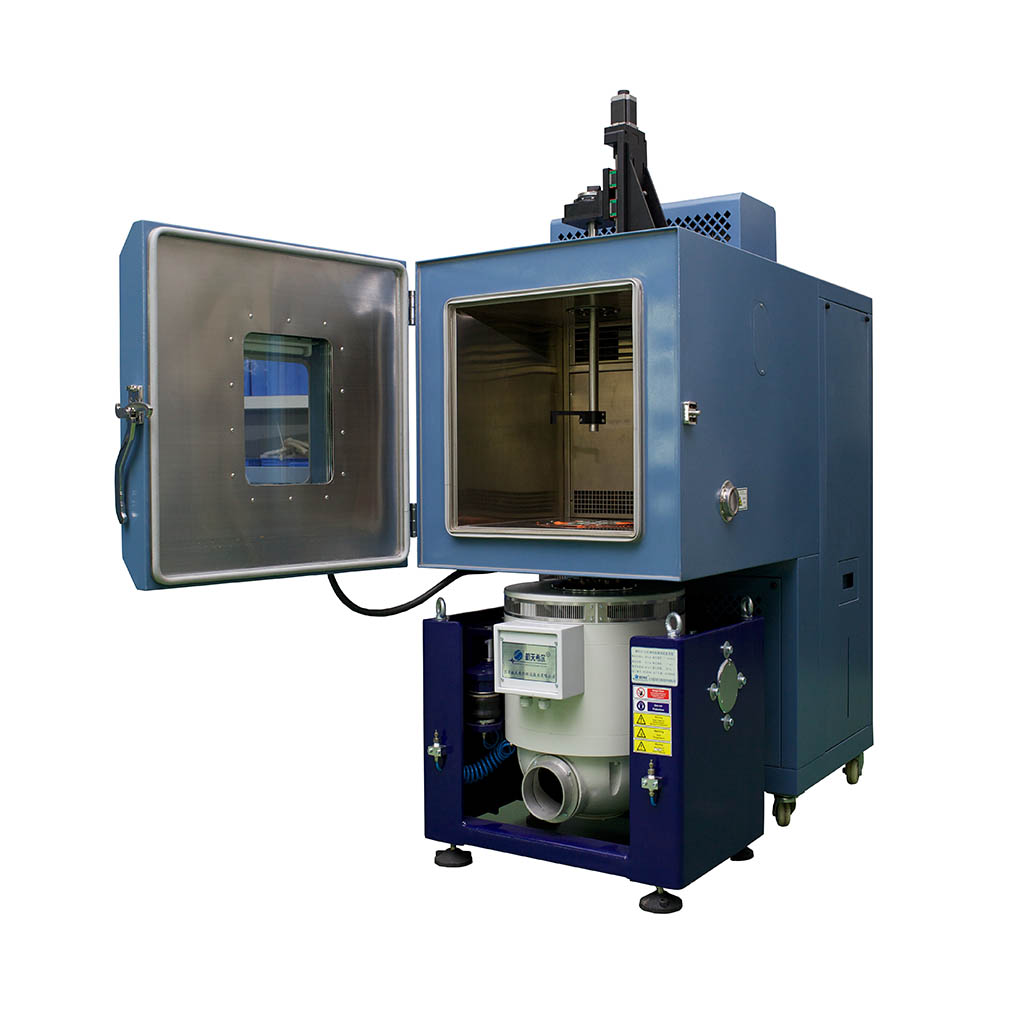
TestEQ vibration testing systems can integrate an electrodynamic shaker, environmental chamber, test fixture, control system and monitoring equipment into a coordinated test platform.
The configuration can be engineered for aerospace, automotive, EV, electronics, semiconductor, transportation and industrial reliability programs.
What Is a Vibration Test Chamber?
A vibration test chamber provides a controlled environment for applying mechanical vibration to a test specimen while maintaining the required test conditions.
Unlike a standalone vibration shaker, an environmental vibration system can incorporate environmental conditioning around the specimen. This allows engineers to reproduce more representative qualification conditions when temperature or other environmental parameters are part of the test program.
A typical system includes:
• Environmental test chamber
• Electrodynamic vibration shaker
• Vibration interface
• Product fixture
• Programmable controller
• Data acquisition and monitoring
• Safety protection system
The final configuration depends on specimen size, mass, vibration profile and environmental requirements.
Why Is Vibration Testing Important?
Products can experience continuous or intermittent mechanical excitation during transportation, vehicle operation, aircraft operation, launch, machinery operation and other service conditions.
Vibration testing helps engineers identify mechanical weaknesses before products enter field service.
Typical failure mechanisms include:
• Structural fatigue
• Fastener loosening
• Connector interruption
• Solder-joint fatigue
• Cable damage
• Component displacement
• Cracking
• Resonance-related failures
• Mechanical deformation
• Functional interruption
For reliability qualification, the objective is not simply to make a product vibrate. The vibration profile must represent the required operating or transportation environment.
Vibration Testing System Configuration
A complete vibration test system normally combines several engineering elements.
Electrodynamic Shaker
The shaker generates the mechanical excitation required by the test profile.
Selection depends on:
• Force rating
• Frequency range
• Maximum displacement
• Acceleration
• Payload
• Table dimensions
Environmental Chamber
When environmental conditioning is required, the chamber provides controlled conditions around the specimen.
Test Fixture
The fixture transfers vibration from the shaker to the product.
Fixture stiffness, mass and resonance characteristics can significantly influence the actual vibration delivered to the specimen.
Control and Monitoring
The control system manages the programmed vibration profile and environmental parameters while monitoring test conditions.
Types of Vibration Testing
Depending on the qualification program, TestEQ systems can be configured for different vibration profiles.
Sinusoidal Vibration
Sinusoidal testing is commonly used to investigate frequency response, resonance and structural behavior.
Random Vibration
Random vibration is used when the product is exposed to broadband dynamic environments.
Swept-Sine Testing
Swept-sine testing changes frequency through a defined range to identify resonant frequencies and dynamic response.
Combined Environmental Vibration
Environmental conditions can be introduced around the vibration test when the qualification program requires more than mechanical excitation alone.
Designed for Combined Environmental Testing:
Unlike standalone vibration systems, the AGREE vibration chamber enables simultaneous environmental and dynamic stress testing, allowing users to replicate complex service conditions including:
• In-flight vibration under temperature extremes
• Vehicle-mounted electronics stress testing
• High-altitude transportation simulation
• Climatic vibration endurance verification
This results in more accurate product qualification and shorter development cycles.
Vibration Test Chamber vs AGREE Environmental Test Chamber: Which Testing Solution Do You Need?
| Comparison Item | Vibration Test Chamber | AGREE Environmental Test Chamber |
|---|
| Primary Purpose | Mechanical vibration reliability testing | Combined environmental and vibration reliability testing |
| Main Testing Stress | Vibration | Temperature + Humidity + Vibration |
| Environmental Control | Optional or limited | Integrated temperature and humidity control |
| Typical Standards | IEC 60068-2-6, IEC 60068-2-64 | MIL-STD-810H, IEC 60068, RTCA DO-160 |
| Test Condition | Mechanical vibration simulation | Real-world climatic + mechanical stress simulation |
| Temperature Testing | Usually requires separate chamber | Built-in temperature control |
| Humidity Testing | Usually requires additional equipment | Integrated humidity simulation |
| Aerospace Application | Component vibration qualification | Aircraft electronics and defense environmental qualification |
| Automotive Application | Vehicle component vibration testing | EV electronics and automotive reliability validation |
| Semiconductor Application | Package and board vibration testing | Combined stress reliability evaluation |
| System Configuration | Chamber + vibration shaker | AGREE chamber + electrodynamic shaker |
| Test Complexity | Standard vibration validation | Advanced multi-stress reliability testing |
Temperature Vibration Chamber vs Vibration Test Chamber
| Comparison | Temperature Vibration Chamber | Vibration Test Chamber |
|---|
| Testing Capability | Temperature + vibration | Vibration only |
| Environmental Simulation | High | Medium |
| Reliability Evaluation | Multi-stress testing | Mechanical stress testing |
| Suitable Industries | Aerospace, EV, automotive electronics | Electronics, components, transportation |
| Test Accuracy | Evaluates performance under temperature extremes | Evaluates vibration resistance |
| Cost Level | Higher investment | Lower investment |
| Recommended For | Mission-critical products | Basic vibration validation |
Typical Vibration Test Chamber Configuration
| Parameter | Typical Configuration |
|---|
| System Type | Environmental vibration testing system |
| Vibration Type | Sinusoidal / Random / Swept-Sine |
| Shaker | Electrodynamic |
| Temperature | Application dependent |
| Humidity | Optional |
| Chamber Volume | Customized |
| Fixture | Customized |
| Shaker Interface | Vertical / Horizontal |
| Control System | Programmable |
| Monitoring | Environmental and vibration data |
Actual specifications depend on the selected chamber, shaker, fixture and test profile.
How to Select a Vibration Test Chamber
B2B procurement teams should define the test requirements before selecting the equipment.
1. Define the Product
Provide:
• Product dimensions
• Product weight
• Mounting orientation
• Center of gravity
• Cable configuration
• Number of specimens
2. Define the Vibration Profile
Important parameters include:
• Frequency range
• Acceleration
• Displacement
• Force
• Duration
• Axis
• Sinusoidal or random profile
3. Check Shaker Compatibility
The chamber and shaker interface must accommodate the required payload and fixture.
For an existing shaker, provide the shaker model, table dimensions and interface requirements so the chamber can be engineered around the system.
4. Define Environmental Conditions
Determine whether the test requires environmental conditioning in addition to vibration.
This may include temperature, humidity, altitude or other environmental parameters.
5. Confirm the Applicable Standard
The equipment should be configured according to the actual test method and qualification procedure rather than selected only by chamber volume.
Why Choose TestEQ Vibration Test Chamber:
Environmental vibration testing system design
• Electrodynamic shaker integration
• Customized fixtures and chamber interfaces
• Environmental conditioning options
• Configurations for aerospace, automotive, EV and electronics
• Engineering support for standard and customized testing systems
• Equipment designed around actual test profiles
Optional Configurations:
• Dual-axis vibration integration
• Slip table compatibility
• Liquid nitrogen rapid cooling
• Extended low temperature to -196°C
• Remote monitoring and data logging
• Customized AGREE chamber dimensions
Vibration Test Standards
Depending on the product and qualification program, vibration testing may reference:
• IEC 60068 environmental testing methods
• MIL-STD-810H vibration requirements
• RTCA DO-160 environmental testing
• ISO 16750 automotive environmental testing
• Customer-specific reliability specifications
The applicable test method should be confirmed with the customer's engineering and quality teams before equipment selection.
FAQ:
1.What is a vibration test chamber?
A vibration test chamber is an environmental testing system designed to apply controlled mechanical vibration while providing a defined test environment around the specimen.
2.What vibration profiles can be tested?
Depending on the shaker and controller, systems can support sinusoidal, random and swept-sine vibration profiles.
3.What is the difference between a vibration shaker and a vibration test chamber?
A shaker generates mechanical vibration. A vibration test chamber adds environmental conditioning around the test specimen when required.
4.What industries use vibration test chambers?
Common applications include aerospace, automotive, EV, electronics, semiconductor, communication and industrial equipment testing.
5.Can TestEQ integrate an existing shaker?
Yes. The environmental chamber and interface can be engineered around an existing shaker when the shaker specifications are provided.
6. What standards are used for vibration testing in environmental chambers?
Vibration testing in environmental chambers is commonly performed according to international reliability standards, including MIL-STD-810H Method 514, IEC 60068-2-6 (Sinusoidal Vibration), and IEC 60068-2-64 (Random Vibration). These standards define vibration profiles, test conditions, and evaluation methods for aerospace, automotive, electronics, and industrial products.
7. What products can be tested in a vibration test chamber?
A vibration test chamber can be used to evaluate a wide range of products, including automotive electronic components, EV battery systems, aerospace equipment, communication devices, semiconductor modules, and military electronics. The combined temperature, humidity, and vibration environment helps identify structural weaknesses, connection failures, and reliability risks before field deployment.
8. How do I choose the right vibration test chamber for my application?
Selecting the right vibration test chamber depends on the test requirements, product size, vibration level, temperature range, humidity conditions, and applicable industry standards. Engineers should consider whether they need vibration-only testing or combined environmental simulation with temperature and humidity control. TestEQ provides customized vibration testing solutions based on application requirements and reliability qualification standards.
Internal Linking Module
Recommended Equipment
For reliability testing that combines controlled temperature conditions with mechanical vibration.
For AGREE environmental testing with simultaneous temperature, humidity and vibration.
For combined temperature, humidity, vibration and altitude simulation.
Related Vibration Testing Standards
International environmental testing methods covering mechanical and climatic testing requirements for electronic and electrotechnical products.
Environmental engineering and laboratory test methods for equipment exposed to demanding service environments.
Environmental test procedures and criteria for airborne equipment and aerospace applications.
Environmental conditions and testing requirements for electrical and electronic equipment used in road vehicles.
Related Vibration Testing Resources
Learn how vibration testing evaluates mechanical durability, resonance, fatigue and product reliability under controlled excitation.
A practical guide to evaluating chamber size, environmental conditions, vibration integration and other equipment selection requirements.
Understand the differences between thermal cycling and thermal shock and when each method is appropriate for reliability testing.